


Home Owner Tips

Homeowners Guide to Energy Efficient Roofing

What Is Energy-Efficient Roofing?

What if your roof could do more than just keep the elements out?  What if it were also a smart investment that pays dividends in the form of lower energy bills and a more comfortable home? Welcome to The Roof Doctor’s essential guide to energy-efficient roofing, where we’ll explore what energy-efficient roofing really means, the different types of roofs available, and how they can reduce home energy costs and enhance comfort. Expect to gain valuable insights that will help you make informed decisions about your roofing needs. Let’s get started…

The Concept of Energy-Efficient Roofing

Defining Energy-Efficient Roofing

Energy-efficient roofing is designed to minimize energy usage, primarily by reducing the need for artificial cooling and heating. This type of roof system uses materials and construction techniques that reflect more sunlight, absorb less heat, and insulate better compared to traditional roofing.

How Energy-Efficient Roofing Works

Such roofs incorporate materials like cool roof coatings, metal roofs, and tiles with high solar reflectance and thermal emittance. This design helps maintain a more stable indoor temperature, reducing the reliance on air conditioning and heating systems, thereby leading to significant savings on energy costs.

Benefits of Energy-Efficient Roofing

Cost Savings Over Time

Energy-efficient roofing is a smart financial decision. Over time, these roofs add up to significant savings on your energy bill by maintaining better temperature control inside your home, leading to less reliance on heating and cooling systems.

Reduced Environmental Impact

Choosing an energy-efficient roof can help preserve the environment. These roofs reduce energy consumption, thereby lowering greenhouse gas emissions and mitigating the urban heat island effect, making them an eco-friendly option for conscious homeowners.

A More Comfortable Home 

Energy-efficient roofs ensure a more comfortable living environment. They maintain a consistent indoor temperature, reducing the strain on air conditioning and heating systems and providing a year-round comfortable atmosphere in your home.

Types of Energy-Efficient Roofs

Materials Used in Energy-Efficient Roofing

Various types of energy-efficient roofing materials offer their own unique benefits. Metal roofs are known for their durability and reflectivity, reducing heat absorption. Tile roofs, both clay and concrete, provide excellent insulation and longevity. Cool roof coatings can be applied to existing roofing, enhancing reflectivity and reducing heat transfer. These roofing materials not only improve energy efficiency but also extend the roof’s lifespan.

Innovative Roofing Technologies

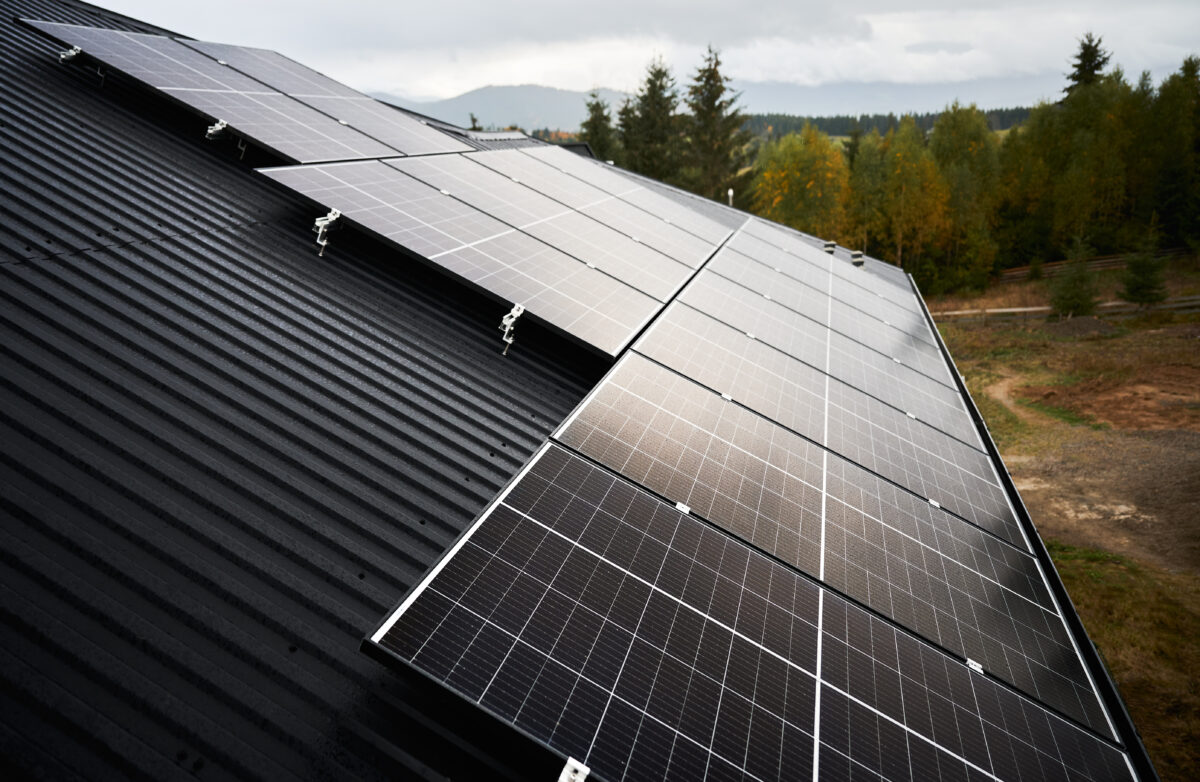
Advancements in roofing technologies are constantly evolving. Features like solar reflectance index (SRI) rated materials maximize heat reflection. Green roofing systems, incorporating vegetation, improve insulation and reduce urban heat island effects. Photovoltaic solar panels integrated into roofing materials also offer a dual benefit of energy generation and efficiency. These innovative solutions are shaping the future of energy-efficient roofing.

What Makes a Roof Energy Efficient?

Insulation and Ventilation Factors

A key component of energy-efficient roofing is proper insulation and ventilation. This combination helps maintain a stable temperature inside, reducing the need for excessive heating or cooling. Good insulation minimizes heat transfer, while effective ventilation removes excess heat and moisture, enhancing overall energy efficiency.

Reflectivity and Emissivity Properties

Reflectivity and emissivity are critical in determining a roof’s energy efficiency. Materials with high reflectivity, such as tiles with reflective coating, bounce back sunlight, reducing heat absorption. Emissivity refers to a roof’s ability to release absorbed heat. Together, these properties significantly lower cooling costs and contribute to a more energy-efficient home.

What Type of Roof is the Most Energy-Efficient? 

Comparing Different Roof Types

When it comes to energy efficiency, not all roofs are created equal. The most energy-efficient type of roof will depend on the environmental conditions where the home is located. Metal roofs are renowned for their durability and reflectivity, making them excellent for keeping homes cool. In sunny regions, metal roofs have been shown to significantly reduce cooling costs. Tile roofs offer natural air circulation in warmer climates while maintaining warmth in cooler climates.  Each type offers unique benefits, so you’ll need to consider your specific environmental and architectural needs.

What Color Roof is Most Efficient?

The Science Behind Roof Colors

The color of your roof plays a significant role in its energy efficiency. Darker colors absorb more heat, increasing indoor temperatures, while lighter colors reflect sunlight, keeping your home cooler. This reflectivity is crucial in reducing cooling costs and energy usage.

Best Color Choices for Different Climates

In warmer climates, lighter-colored roofs, such as white or light gray, are ideal for maximizing reflectivity and reducing heat absorption. Conversely, in cooler climates, darker roofs can help absorb heat during the colder months, potentially lowering heating costs. The key is to balance aesthetics with functionality, considering your specific climate needs.

Practical Tips for Choosing an Energy-Efficient Roof

Factors to Consider Before Installation

When selecting an energy-efficient roof, consult a reputable roofing contractor, consider your local climate, existing roof structure, and energy goals. Opt for materials like metal roofs or tile roofs with high solar reflectance for warmer climates. In cooler regions, focus on insulation and ventilation features. Evaluate the roof’s solar reflectance index to ensure maximum efficiency.

Maintenance Tips for Longevity and Efficiency

Regular maintenance is key to sustaining the efficiency of your roof. Inspect for damages periodically, clean gutters and downspouts, and check for proper ventilation. A well-maintained roof not only lasts longer but also retains its energy-saving properties effectively.

Do Energy-Efficient Roofs Really Save You Money?

Initial Investment vs. Long-Term Savings

Energy-efficient roofs often require a higher initial investment compared to traditional roofing when doing a roof replacement. However, the long-term savings on energy bills can be substantial. Over time, these savings can offset the initial cost, making energy-efficient roofs a financially savvy choice for homeowners and businesses alike.

Government Incentives and Rebates

To encourage energy efficiency, many governments offer incentives and rebates for installing energy-efficient roofs. These financial aids can significantly reduce the upfront cost, making the switch to an energy-efficient roof more accessible and appealing.

Common Myths and Misconceptions About Energy-Efficient Roofing

Debunking Myths with Facts

There’s a misconception that efficient roofs are only for certain climates or are prohibitively expensive. In reality, these roofs are cost-effective in various climates and can offer significant long-term savings. Another myth is that efficient roof options are limited in style; however, energy-efficient roofing materials come in diverse designs that can fit any aesthetic.

Homeowners often express surprise at the noticeable reduction in their energy bills and the enhanced comfort of their homes. Many also appreciate the added value to their property, debunking the myth that energy efficiency doesn’t impact resale value.

Closing Thoughts

To recap, energy-efficient roofing with materials like metal and reflective tile can significantly lower energy costs and enhance indoor comfort for your home. Making an informed decision about your roofing means understanding how insulation, ventilation, and color help maximize its efficiency. As you contemplate upgrading to an energy-efficient roof, remember that the right roof is an investment that not only saves money but also contributes to a more sustainable and comfortable living environment.

About The Roof Doctor

At The Roof Doctor, we’re proud of our home-grown family values and watertight reputation. We offer reliable service, 24/7 emergency assistance, and are fully licensed, bonded, and insured. Whether you’re looking for roof replacement, repair, or just want to explore your roof options, we’re here to help. Our highly trained crews are dedicated to customer satisfaction and delivering quality work in a timely manner.

Ready to explore energy-efficient roofing options for your home or business? Contact The Roof Doctor today, and let’s discuss how we can help you save on energy bills and make your space more comfortable.

How to Hire a Roofing Contractor (Questions to ask)

How to Hire A Roofing Contractor

Choosing the right roofing contractor for your project matters for both homeowners and business owners. You want a quality roof that looks great, keeps your family or business sheltered, and is durable—and you want the job done right the first time. In this guide, we’ll cover important considerations and essential questions to ask before you hire a roofing contractor. You’ll learn how to assess costs, identify red flags, and ensure you’re making an informed decision. Let’s explore The Roof Doctor’s best practices to find a skilled and reliable roofing contractor for a successful project.

Understanding Roofing Contractor Basics

What Defines a Qualified Roofing Contractor?

A qualified roofing contractor will have experience, skill, and a thorough understanding of various roofing materials and roofing installation techniques. They should have a proven track record of quality workmanship in roof repair and roof replacement, and a commitment to upholding industry standards for quality and safety.

Licensing and Insurance: Non-Negotiables for Hiring

Licensing and insurance are not just formalities; they are essential for peace of mind. A reliable roofing contractor will have general liability and workers’ compensation, safeguarding you from any unforeseen incidents like damage to your roof or an accident on the job. Always verify a contractor’s licensing and ensure they have comprehensive insurance coverage before signing a contract for any home improvement projects.

Preparing to Hire a Roofing Contractor

Researching Potential Contractors: What to Look For

Start by looking for local roofing experts with a solid reputation. Check their standing with the Business Bureau (BBB) and read customer reviews to gauge their reliability and customer satisfaction. Look for those who have a proven track record in both install and repair. Check their licensing status and ensure they are bonded and insured, for your protection. It’s also wise to review their portfolio of past projects to assess their expertise with various types of roofing materials and styles.

The Importance of Local Experience and Reputation

Choose a contractor with local roofing experience. They understand the specific challenges posed by your area’s climate and can recommend the best roof system for your needs. A contractor with a good local reputation is more likely to provide reliable service and maintain high standards to uphold their standing in the community.

Key Questions to Ask a Roofing Contractor

Experience and Past Projects: What You Need to Know

When choosing a roofing contractor, it’s important to inquire about their experience and review their past projects. Ask for a portfolio or examples of previous work, especially projects similar to yours. This will give you a clear idea of their expertise and the quality of their work. Understanding their experience with different roofing materials and styles will tell you if they can handle your specific roofing needs effectively.

Understanding Warranty and Contract Terms

Before hiring a roofing contractor, you’ll need a clear understanding of the warranty and contract terms. A reputable contractor should provide a comprehensive explanation of what the warranty covers, including labor and materials, and for how long. Be sure you’re comfortable with all the contract details, including the scope of work, timeline, payment terms, and how they address potential issues or additional charges. Clear contract terms and a solid warranty are indicators of a reliable and trustworthy roofing contractor.

Evaluating the Cost: Budgeting for Your Roofing Project

How Roofers Calculate Labor Costs

Understanding how roofers calculate labor costs is essential for budgeting your roofing project. Typically, these costs are determined by the roof’s size, the complexity of the job, and the type of materials used. A straightforward roof repair might cost less in labor compared to a full roof replacement or the installation of more complex roofing systems. It’s important to discuss these details with your contractor so you clearly understand the labor costs involved.

Identifying and Avoiding Overcharging Practices

It’s wise to obtain multiple quotes from different contractors. This comparison helps you understand the average cost for your specific roofing project. Be cautious of quotes that are significantly lower or higher than the average; these could indicate subpar materials or inflated prices. A reputable roofing company will provide a transparent and itemized quote so you can make an informed decision.

How to Conduct the Interview Process Effectively

Conducting a Thorough Interview with a Roofer

When interviewing a roofing contractor, ask detailed questions. Inquire about their experience, specifically with projects similar to yours. Ask for details about their process, including how they handle unexpected challenges and their approach to project timelines. Understanding their method of operation will give you a clear picture of what to expect.

Red Flags to Watch Out For During Interviews

Be vigilant for red flags during the interview. These include a lack of clear communication, hesitance to provide references or proof of licensing and insurance, and any pressure to sign a contract hastily. Good roofing contractors will be transparent, patient, and willing to provide all necessary information to earn your trust.

Assessing the Quality of the Work

What Does a Good Roofing Job Look Like?

A high-quality roofing job has precise shingle alignment, uniform color distribution, and properly installed flashing around chimneys and vents. The edges should be clean-cut, and the overall appearance must be aesthetically pleasing. A job well done means your roof will have efficient water drainage, and a quality contractor will make sure there are no loose materials or debris left around the worksite after completion.

Signs of a Bad Roofing Job and How to Respond

A subpar roofing job may display misaligned shingles, inconsistent shingle overhangs, or visible gaps. Poorly installed or missing flashing can lead to potential leaks. If you spot these issues, it’s crucial to address them immediately. Contact a reputable roofing company like The Roof Doctor for an assessment and discuss corrective measures to protect your home or business from potential damage.

Considerations After Hiring Your Roofer

Managing the Project: Communication and Timeline

Once you’ve hired your roofer, effective management is key. Ensure clear communication about the project’s timeline, including start and end dates, and any potential delays. Regular updates from your contractor can help you stay informed and ensure the project stays on track. It’s important to establish a communication channel, whether it’s through emails, calls, or in-person meetings, to discuss progress and any changes.

Handling Disputes and Issues Professionally

Disputes or issues might arise during the roofing project. If this happens, address them promptly and professionally with your contractor. A reputable roofer should be willing to discuss any concerns and work towards a resolution. Remember, maintaining a calm and cooperative approach can lead to more effective problem-solving and a positive outcome for your roofing project.

Additional Tips for a Successful Roofing Project

Leveraging Local Resources and References

Don’t hesitate to ask for local references or consult local resources for more insights.Reach out to neighbors or local businesses who have recently done roofing projects. Their experiences can provide you with practical insights into the workmanship and reliability of local contractors. Local hardware stores and home improvement centers can often recommend reputable roofing professionals based on their interactions and customer feedback.

The Role of Online Customer Reviews and Feedback

Customer reviews and feedback provide valuable insights for assessing a roofing contractor’s reputation. Online platforms, social media, and business directories offer a wealth of customer experiences that may inform your decision making process. Pay attention to comments about the contractor’s communication, timeliness, and quality of work. Positive reviews generally indicate a trustworthy and competent contractor, while consistent negative feedback can be a red flag. A well-informed choice will help your roofing project succeed.

Closing Thoughts

Choose the right roofing contractor for the longevity and safety of your roof. Exercise due diligence by asking the right questions, understanding the cost, and knowing what to look for in a roofer’s experience, reputation, and credentials so you can make an informed decision.

About The Roof Doctor

At The Roof Doctor, we pride ourselves on our home-grown family values, 60+ years of experience, and our commitment to unparalleled customer service. Whether it’s for residential or commercial needs, our highly trained crews are always “on call” to provide reliable, efficient service for all your roofing needs.

Ready to discuss your roofing project or need more information? Contact The Roof Doctor today, and let us cover your roofing needs with the care and expertise you deserve.

Navigating Roof Replacement Costs in Washington: A 2025 Guide

Every roof has a lifespan, and when it reaches its end, a roof replacement becomes imperative to maintain the structural integrity of your home or business. In Washington, the varying factors like materials, labor, and additional costs contribute to the overall expense of a roof replacement. This guide is designed to provide you with a detailed understanding of what to expect cost-wise when considering a roof replacement.

Unveiling the Average Costs: A Glimpse into Washington’s Roofing Expenses

In Washington, the average cost of a roof replacement can range widely due to a multitude of factors. However, to provide a ballpark figure, the costs can range from about $4.35 to $11 per square foot depending on the materials chosen and other associated costs. For a standard 2,000-square-foot roof, this translates to an overall expense ranging between $8,700 and $22,000. As we navigate through the subsequent sections, we’ll dissect these costs further to provide a clearer picture of what to expect when you decide to replace your roof in Washington​​.

The Factors: What Affects Roofing Costs? 

To really provide an accurate estimate of how much it will cost to replace your roof, we first have to delve a little deeper into the finer details of what really affects the overall cost. 

Material Costs

Asphalt Shingles: A cost-effective choice with a price range of $3.50 to $5.50 per square foot. They are known for their durability and can last between 20 to 30 years, making them a popular choice among homeowners.

Metal Roofing: A long-term investment with a cost range of $7.00 to $12.00 per square foot. Its durability and energy efficiency make it a worthwhile choice, capable of lasting up to 50 years or more.

Tile Roofing: Priced between $6.00 to $15.00 per square foot, known for its aesthetic appeal and can last over 50 years with proper maintenance.

MaterialCost per Square Foot
Asphalt Shingles$3.50 – $5.50
Metal Roofing$7.00 – $12.00
Tile Roofing$6.00 – $15.00

Labor Costs

Experience of Roofers: The experience of roofers significantly impacts the labor cost. Experienced contractors may charge more but provide superior workmanship and problem-solving expertise.

Complexity of the Roof: The complexity of the roof may directly influence the labor cost. For instance, a complex roof pitch or a larger roof size will require more labor, thus increasing the cost.

Size of Your Roof

Additional Costs

Permits and Inspections: Permit fees in Washington can range from $100 to $1,000 depending on the locality and project size, making them an essential factor to consider in the overall cost.

Disposal and Cleanup: Disposal of old roofing materials and cleanup post-project are additional costs that can add up, contributing to the overall expense.

Roofing Style

The style of your roof is more than just an aesthetic choice; it significantly impacts the cost of roof replacement. Various styles have different levels of complexity, material requirements, and labor needs, all of which play into the cost. For instance, a simple gable roof may require less labor and material compared to a more complex mansard or gambrel roof. Whether you have a flat, pitched, or hipped roof, each style comes with its own set of cost implications which will be reflected in the total roof replacement expense. 

Geographic Location within Washington

Urban areas may incur higher labor costs due to the increased cost of living compared to rural areas, making the geographical location a considerable factor in the overall cost. 

Seasonal Factors

Weather and Timing: Spring and summer are the ideal seasons for roof replacements in Washington due to favorable weather conditions, impacting the overall cost and project timeline.

Emergency Roof Replacements: Emergency replacements can incur additional costs due to the expedited nature of the project, including expedited labor and material delivery.

Insurance and Warranties

Insurance Coverage: Insurance coverage can significantly offset the cost depending on the cause of damage to the roof.

Warranty Options: Exploring warranty options and understanding what is covered can save money in the long-term.

Financing Roof Replacements

Loan Options: Various loan options exist to help finance your roof replacement project, making it essential to explore and compare available financing alternatives.

Government Grants and Subsidies: Some government programs can help offset the cost, making it worthwhile to explore eligibility and application processes.

Cost-saving Tips and Alternatives

Regular maintenance can extend the lifespan of your roof and delay the need for a replacement. Also, exploring alternative roofing materials and solutions can result in cost savings.

Final Summary

Understanding the various factors affecting the cost of a roof replacement in Washington ensures you can make informed decisions regarding your roofing project. Making the right choice of materials and contractors can lead to wise investments in your home or business’s structural integrity.

Why Choose The Roof Doctor

When considering a roof replacement, The Roof Doctor is a name you can trust. With over 60 years of experience, our family-owned business stands out for its reliable service, highly trained crews, and unparalleled customer service. We’re here and happy to help with all your roofing needs. Our friendly and hospitable team is “on call” for any and all of your roofing needs, eager to ensure the lifetime care of your roof.

Roofing in Washington State: What’s the Right Choice for Your Home?

Living in the beautiful Pacific Northwest comes with its own set of challenges, especially when it comes to roofing. With our unique blend of rain, snow, and the occasional hailstorm, choosing the right roofing material is more than just a decision—it’s a necessity. Let’s dive into the options that will stand up to Washington’s weather and suit your home’s needs.

Roofing Dilemma: Can You Install Metal Roofing Over Shingles?

Homeowners often face a myriad of decisions when it comes to home maintenance and upgrades. One such decision revolves around roofing. Ever thought about layering a sleek metal roof over those aging asphalt shingles? You’re in the right place. This comprehensive guide will delve deep into the topic, providing insights, benefits, and actionable next steps.

Weighing the Options: Pros and Cons of Metal Roofing

Metal roofing is an increasingly popular choice, known for its longevity, energy efficiency, and eco-friendliness. But it’s not without its drawbacks, such as a higher initial cost and noise levels. In this comprehensive guide, we delve into the pros and cons of metal roofing to help you make an informed decision. Plus, learn why The Roof Doctor is your go-to expert for all your roofing needs.

How to Install Asphalt Shingles Correctly

Safeguarding your home against the elements starts from the top! Dive into this comprehensive guide on asphalt shingle installation. From understanding the basics to mastering the installation steps, we lean on The Roof Doctor’s six decades of expertise to guide you through a successful and durable roofing journey.

Step-by-Step Guide: How to Install Roll Roofing Like a Pro

Considering roll roofing for your low-slope structures? Dive into our comprehensive guide where we demystify this budget-friendly roofing option, detail its types, and walk you through a step-by-step installation process. From preparation to post-installation tips, whether you’re a hands-on DIYer or pondering the DIY vs. professional route, we’ve got you covered. With The Roof Doctor by your side, achieving that perfect roof is no longer a daunting task.

Shine and Shield: A Complete Guide to Installing Metal Roofing

Dive into our comprehensive guide on metal roofing installation. From discerning the signs that it’s time for a new roof, to choosing between metal and asphalt, and understanding the costs involved, we’ve got you covered. We’ll walk you through a step-by-step installation process, share common pitfalls to watch out for, and delve into the benefits and potential drawbacks of metal roofing. Whether you’re a DIY enthusiast or seeking professional guidance, ‘Shine and Shield’ is your blueprint to a durable and stylish roof.

Which Roofing Materials Are Best For Your Climate?

The climate in your area plays a big role in determining the best material for your roof. Roof contractors can advise you on the best options, but it still helps to be as informed as possible. The different materials will range in effectiveness based on durability, weaknesses, and other factors. Here are the best materials based on your climate.