

Financial

The Connection Between Your Home’s Roof Color, Temperature, and Energy Efficiency

One of the key factors people naturally consider when choosing a roofing material is its color. While aesthetics often take priority in this decision, they should not be the only consideration. The color of your roof significantly impacts the overall environment of your home or business. This article explores the science behind how roof color influences temperature regulation and energy consumption, offering practical advice on selecting the right roof color for your needs.

Does the Color of Your Roof Affect House Temperature?

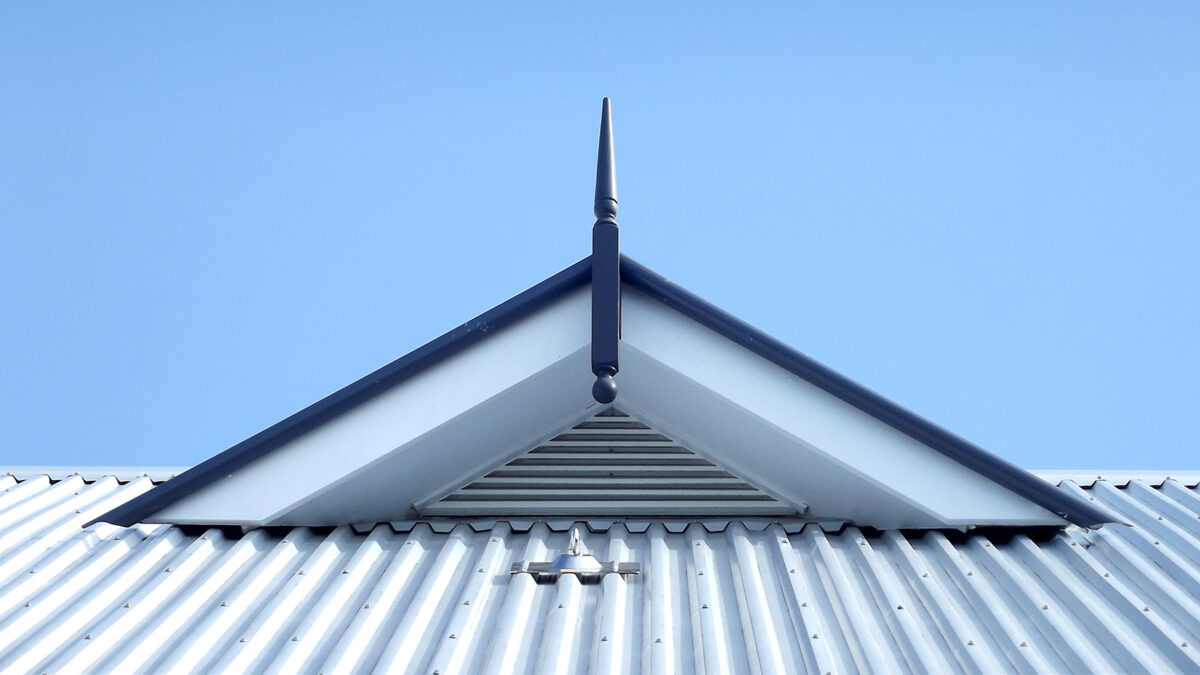
Yes, roof color directly affects house temperature. This is because dark colors absorb more heat, while light colors reflect it. The science behind this is simple: darker colors absorb more solar energy, which raises surface temperature, while lighter colors reflect more sunlight, keeping the roof cooler.

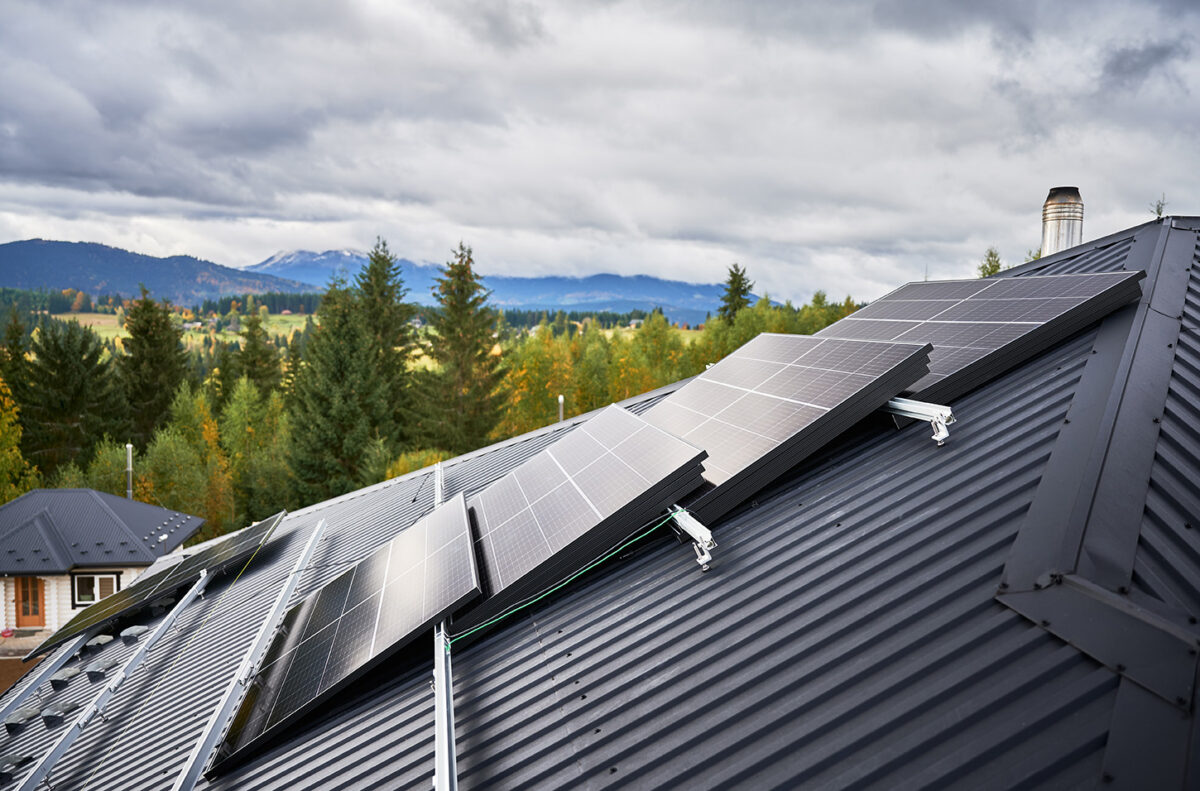
  • Dark-colored roofs: Absorb up to 90% of the sun’s heat, making the house warmer. This can be beneficial in colder climates, but it can also result in higher cooling costs during the summer.
  • Light-colored roofs: Reflect the sun’s rays, which helps keep the home cooler. This can result in energy savings, especially in warmer regions or during the summer months.

In regions like Western Washington, which experiences mild but variable temperatures, choosing the right roof color can be a balancing act between warmth in the winter and coolness in the summer.

Specific Savings

According to the U.S. Department of Energy, cool roofs can reduce cooling energy use by up to 15% in warm climates, while darker roofs may increase energy consumption by requiring more air conditioning to maintain comfortable indoor temperatures.

The Effect of Roof Color on Energy Efficiency

Choosing the right roof color can significantly improve your home’s energy efficiency. Roofs with higher solar reflectance—such as light-colored roofs or cool roofs—help reduce the amount of heat entering your home. This can lower indoor temperatures, cutting down on the energy needed to cool the house. Conversely, dark roofs may increase energy consumption, especially in the warmer months, due to their ability to retain heat.

Studies have shown that using energy-efficient roofing materials can reduce cooling costs by as much as 15%. For homes in regions with seasonal temperature shifts, like Western Washington, choosing a roof color that balances heat absorption and reflection can lead to energy savings year-round.

Benefits of Reflective Roofing: Cool Roofs

A cool roof is designed to reflect more sunlight and absorb less heat than a standard roof. Cool roofing materials typically come in lighter colors or special reflective coatings that enhance their performance. These roofs help keep buildings cooler, reducing the need for air conditioning and lowering energy bills.

  • Cool roofs can lower rooftop temperatures by 50°F or more in the summer.
  • Reflective roofing is particularly effective for businesses with large roof surfaces exposed to the sun.

For those of us in the Pacific Northwest, where sunlight can be less intense than in hotter regions, cool roofs still offer benefits during the summer months without sacrificing too much warmth in the winter.

Roof Color Considerations for the Pacific Northwest

The Pacific Northwest, particularly Western Washington, experiences moderate temperatures throughout the year. Summers can get warm, while winters are cool but not freezing. This makes roof color choices a bit more nuanced. A darker roof may help maintain warmth in the winter, but the occasional hot summer day could result in overheating, especially in homes without proper insulation.

For homes in this region, a medium to light color roof might strike the right balance, offering some heat retention in the winter while avoiding excessive heat absorption in the summer. Additionally, investing in a cool roof or opting for energy-efficient roofing materials can provide additional benefits, regardless of color.

What Is the Best Roof Color for Reducing Heat?

For homeowners looking to reduce heat in the home, especially during the summer months, lighter colors are ideal. Here are some popular color options:

  • White: Reflects the most sunlight and absorbs the least amount of heat.
  • Light gray: Offers a slightly softer aesthetic while still providing excellent heat reflection.
  • Beige or tan: Neutral tones that reflect heat while blending well with many home styles.

Choosing a light-colored roof can help reduce energy consumption, especially during the summer, as your cooling system won’t have to work as hard to keep your home comfortable.

What Roof Colors Are Best for Retaining Heat?

For homes in colder climates or those that need to retain more warmth during the winter, dark-colored roofs are a solid option. Some of the best options are:

  • Black: Absorbs the most heat, making it ideal for colder regions.
  • Dark brown: Provides a classic look while retaining more warmth.
  • Deep red or green: These colors also tend to absorb heat well while adding a unique aesthetic to your home.

While dark colors can help reduce heating costs in colder months, it’s important to balance this with the need for cooling in the summer, especially in regions like Western Washington.

The Role of Roof Material in Energy Efficiency

The roofing material you choose will also impact how much energy your roof retains or reflects. Certain materials naturally reflect more sunlight, while others retain heat. Here are some common options:

  • Metal roofs: Highly reflective and can be coated with special finishes to enhance their ability to reduce heat.
  • Asphalt shingles: While they’re more affordable, dark asphalt shingles absorb a lot of heat. Opting for lighter-colored asphalt shingles can help mitigate this.
  • Tile roofs: Ceramic or slate tiles tend to reflect sunlight, but they can also be paired with energy-efficient coatings.

In Western Washington, where the weather is often mild but varied, homeowners might consider materials like metal or tile for their reflective qualities, particularly when paired with cool roof technology.

Additional Factors to Consider When Choosing Roof Color

Beyond energy efficiency, it’s essential to consider other factors like aesthetics, resale value, and local regulations when selecting a roof color. A roof color that complements your home or business’ overall appearance can boost curb appeal. Additionally, buildings with energy-efficient roofs may have a higher resale value due to the long-term savings on energy bills. 

Finishing Up

Roof color is more than just a design choice—it’s a critical factor that affects your home’s temperature, energy efficiency, and energy bills. By selecting the right roof color, you can make your home more energy efficient, potentially saving on cooling costs in the summer and retaining warmth during the winter. Homeowners in the Pacific Northwest, particularly Western Washington, should balance the need for warmth and coolness, and consider investing in cool roof technology or other energy-efficient roofing materials.

Why Choose The Roof Doctor?

Here at The Roof Doctor, we understand the importance of a healthy roof over your head. With over 60 years of experience in roofing treatment across Western Washington, we are here to help you find the right solution for your home. Whether you’re looking to install a new roof or replace your existing one, our well-trained crews are ready to provide comprehensive care for the lifetime of your roof. Contact The Roof Doctor today for expert advice on choosing the best roof color and materials to improve your home’s energy efficiency. Let us help you reduce your energy bills and make your home more comfortable, all year round!

How To Choose The Best Roofing Contractor

Want to hire a trustworthy roofing contractor? Our guide breaks down everything you need to know, from verifying credentials to understanding estimates. Read on and discover how to make an informed decision for your roofing needs!

How Roofers Rip You Off and How to Avoid It

Don’t let unscrupulous roofers take advantage of you! Uncover the secrets behind common roofing scams and arm yourself with the knowledge to avoid being ripped off. Click now to protect your home and wallet by reading The Roof Doctor’s comprehensive guide.

Is Solar Worth it in Washington State

Thinking about switching to solar in Washington State? Dive into this article from your expert guides at The Roof Doctor, where we explore the real costs, benefits, and incentives of solar energy. Read on to see how solar can be a game-changer for your home or business.

How to Hire a Roofing Contractor (Questions to ask)

How to Hire A Roofing Contractor

Choosing the right roofing contractor for your project matters for both homeowners and business owners. You want a quality roof that looks great, keeps your family or business sheltered, and is durable—and you want the job done right the first time. In this guide, we’ll cover important considerations and essential questions to ask before you hire a roofing contractor. You’ll learn how to assess costs, identify red flags, and ensure you’re making an informed decision. Let’s explore The Roof Doctor’s best practices to find a skilled and reliable roofing contractor for a successful project.

Understanding Roofing Contractor Basics

What Defines a Qualified Roofing Contractor?

A qualified roofing contractor will have experience, skill, and a thorough understanding of various roofing materials and roofing installation techniques. They should have a proven track record of quality workmanship in roof repair and roof replacement, and a commitment to upholding industry standards for quality and safety.

Licensing and Insurance: Non-Negotiables for Hiring

Licensing and insurance are not just formalities; they are essential for peace of mind. A reliable roofing contractor will have general liability and workers’ compensation, safeguarding you from any unforeseen incidents like damage to your roof or an accident on the job. Always verify a contractor’s licensing and ensure they have comprehensive insurance coverage before signing a contract for any home improvement projects.

Preparing to Hire a Roofing Contractor

Researching Potential Contractors: What to Look For

Start by looking for local roofing experts with a solid reputation. Check their standing with the Business Bureau (BBB) and read customer reviews to gauge their reliability and customer satisfaction. Look for those who have a proven track record in both install and repair. Check their licensing status and ensure they are bonded and insured, for your protection. It’s also wise to review their portfolio of past projects to assess their expertise with various types of roofing materials and styles.

The Importance of Local Experience and Reputation

Choose a contractor with local roofing experience. They understand the specific challenges posed by your area’s climate and can recommend the best roof system for your needs. A contractor with a good local reputation is more likely to provide reliable service and maintain high standards to uphold their standing in the community.

Key Questions to Ask a Roofing Contractor

Experience and Past Projects: What You Need to Know

When choosing a roofing contractor, it’s important to inquire about their experience and review their past projects. Ask for a portfolio or examples of previous work, especially projects similar to yours. This will give you a clear idea of their expertise and the quality of their work. Understanding their experience with different roofing materials and styles will tell you if they can handle your specific roofing needs effectively.

Understanding Warranty and Contract Terms

Before hiring a roofing contractor, you’ll need a clear understanding of the warranty and contract terms. A reputable contractor should provide a comprehensive explanation of what the warranty covers, including labor and materials, and for how long. Be sure you’re comfortable with all the contract details, including the scope of work, timeline, payment terms, and how they address potential issues or additional charges. Clear contract terms and a solid warranty are indicators of a reliable and trustworthy roofing contractor.

Evaluating the Cost: Budgeting for Your Roofing Project

How Roofers Calculate Labor Costs

Understanding how roofers calculate labor costs is essential for budgeting your roofing project. Typically, these costs are determined by the roof’s size, the complexity of the job, and the type of materials used. A straightforward roof repair might cost less in labor compared to a full roof replacement or the installation of more complex roofing systems. It’s important to discuss these details with your contractor so you clearly understand the labor costs involved.

Identifying and Avoiding Overcharging Practices

It’s wise to obtain multiple quotes from different contractors. This comparison helps you understand the average cost for your specific roofing project. Be cautious of quotes that are significantly lower or higher than the average; these could indicate subpar materials or inflated prices. A reputable roofing company will provide a transparent and itemized quote so you can make an informed decision.

How to Conduct the Interview Process Effectively

Conducting a Thorough Interview with a Roofer

When interviewing a roofing contractor, ask detailed questions. Inquire about their experience, specifically with projects similar to yours. Ask for details about their process, including how they handle unexpected challenges and their approach to project timelines. Understanding their method of operation will give you a clear picture of what to expect.

Red Flags to Watch Out For During Interviews

Be vigilant for red flags during the interview. These include a lack of clear communication, hesitance to provide references or proof of licensing and insurance, and any pressure to sign a contract hastily. Good roofing contractors will be transparent, patient, and willing to provide all necessary information to earn your trust.

Assessing the Quality of the Work

What Does a Good Roofing Job Look Like?

A high-quality roofing job has precise shingle alignment, uniform color distribution, and properly installed flashing around chimneys and vents. The edges should be clean-cut, and the overall appearance must be aesthetically pleasing. A job well done means your roof will have efficient water drainage, and a quality contractor will make sure there are no loose materials or debris left around the worksite after completion.

Signs of a Bad Roofing Job and How to Respond

A subpar roofing job may display misaligned shingles, inconsistent shingle overhangs, or visible gaps. Poorly installed or missing flashing can lead to potential leaks. If you spot these issues, it’s crucial to address them immediately. Contact a reputable roofing company like The Roof Doctor for an assessment and discuss corrective measures to protect your home or business from potential damage.

Considerations After Hiring Your Roofer

Managing the Project: Communication and Timeline

Once you’ve hired your roofer, effective management is key. Ensure clear communication about the project’s timeline, including start and end dates, and any potential delays. Regular updates from your contractor can help you stay informed and ensure the project stays on track. It’s important to establish a communication channel, whether it’s through emails, calls, or in-person meetings, to discuss progress and any changes.

Handling Disputes and Issues Professionally

Disputes or issues might arise during the roofing project. If this happens, address them promptly and professionally with your contractor. A reputable roofer should be willing to discuss any concerns and work towards a resolution. Remember, maintaining a calm and cooperative approach can lead to more effective problem-solving and a positive outcome for your roofing project.

Additional Tips for a Successful Roofing Project

Leveraging Local Resources and References

Don’t hesitate to ask for local references or consult local resources for more insights.Reach out to neighbors or local businesses who have recently done roofing projects. Their experiences can provide you with practical insights into the workmanship and reliability of local contractors. Local hardware stores and home improvement centers can often recommend reputable roofing professionals based on their interactions and customer feedback.

The Role of Online Customer Reviews and Feedback

Customer reviews and feedback provide valuable insights for assessing a roofing contractor’s reputation. Online platforms, social media, and business directories offer a wealth of customer experiences that may inform your decision making process. Pay attention to comments about the contractor’s communication, timeliness, and quality of work. Positive reviews generally indicate a trustworthy and competent contractor, while consistent negative feedback can be a red flag. A well-informed choice will help your roofing project succeed.

Closing Thoughts

Choose the right roofing contractor for the longevity and safety of your roof. Exercise due diligence by asking the right questions, understanding the cost, and knowing what to look for in a roofer’s experience, reputation, and credentials so you can make an informed decision.

About The Roof Doctor

At The Roof Doctor, we pride ourselves on our home-grown family values, 60+ years of experience, and our commitment to unparalleled customer service. Whether it’s for residential or commercial needs, our highly trained crews are always “on call” to provide reliable, efficient service for all your roofing needs.

Ready to discuss your roofing project or need more information? Contact The Roof Doctor today, and let us cover your roofing needs with the care and expertise you deserve.

How to Find the Right Roofer for Your Home

Your roof is the most essential component of your home, so it makes sense that you would want it in the best condition possible. As a savvy homeowner, you should be ready to invest in roof repairs or replacement should the need arise. You’ll find there are many benefits to doing so.