


Roof Repair

When to Replace vs. Repair Your Roof in Washington State

Here in Washington’s unique climate, to say that your roof needs to be prepared for some wet conditions is an understatement. The weather here is hard on roofs, plain and simple. The constant wear and tear can make it hard to determine how much is too much. However, with the right information, you can have all the know-how to make a wise and informed decision about your home’s needs. Here, we’ll walk through the key factors that determine when to repair a roof and when a full replacement might be the best solution.

Key Factors Affecting Roof Longevity in Washington State

Impact of Washington’s Weather on Roofs

Washington’s Pacific Northwest (PNW) climate subjects roofs to rain, wind, and occasional snow, which gradually impacts roofing materials. The area’s moisture promotes moss and algae growth, while strong winds can loosen shingles.

Common Roofing Materials and Their Lifespans in WA

Asphalt shingles, popular for their cost-effectiveness, generally last 15–30 years here. Metal roofing may endure up to 50 years with proper care, while tile roofing is often durable for 40+ years. The specific lifespan depends on factors like the quality of the materials, maintenance frequency, and local environmental conditions.

When to Repair Your Roof

Roof repairs can often be more cost-effective for minor or localized issues. But how do you know if a repair will suffice?

Types of Repairs and What They Address

Repairs typically address:

  • Minor Damage: Small patches of missing or damaged shingles.
  • Small Leaks: Often around skylights, chimneys, or roof valleys.
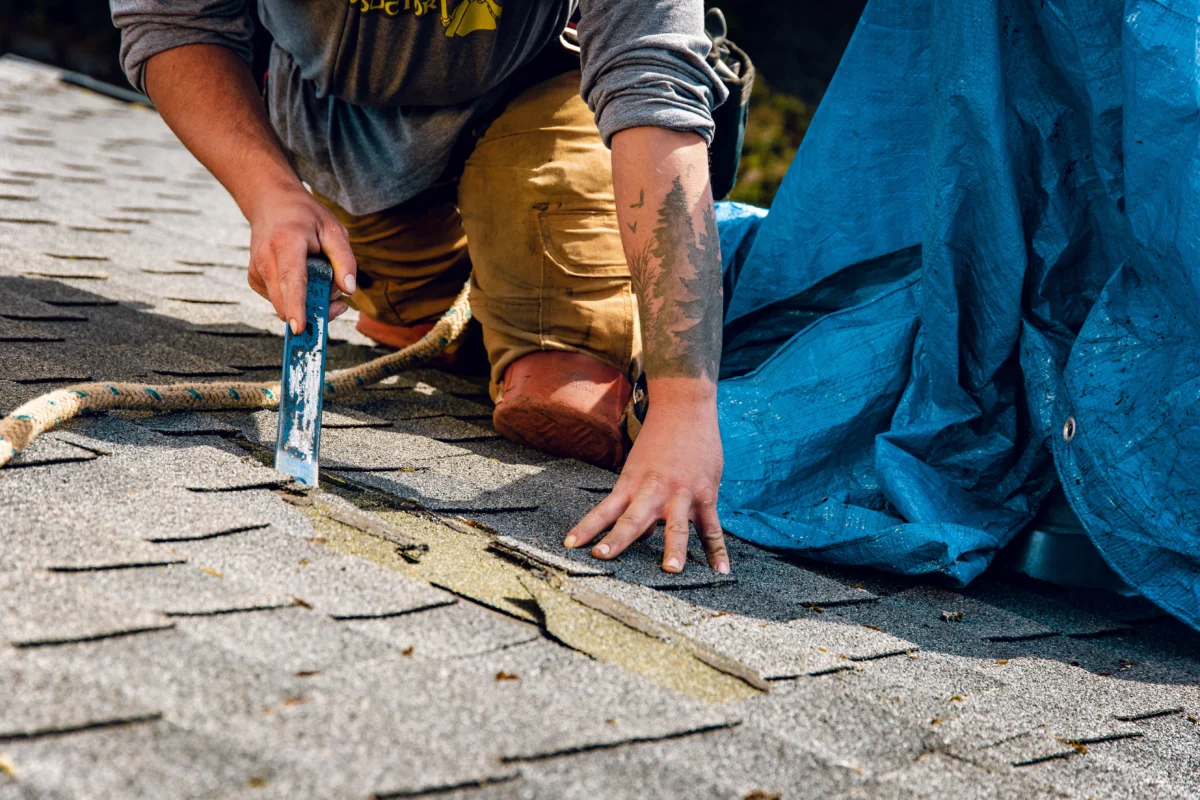
  • Flashing Issues: Damaged or improperly installed flashing can let water seep into your roof.

Pros and Cons of Roof Repairs in Washington State

Repairing a roof offers certain benefits, especially for localized issues or minor damage. Cost-effective and quick to complete, repairs are ideal when your roof is still in good condition overall but has a few problem areas. However, repairs may be temporary fixes, especially on older roofs, and may require regular maintenance if age or damage is extensive. In these cases, the repairs may not address underlying wear from prolonged weather exposure, and replacement might be the more practical choice.

Common Warning Signs Your Roof Needs Repair

  • Water stains on ceilings or walls.
  • Missing or cracked shingles.
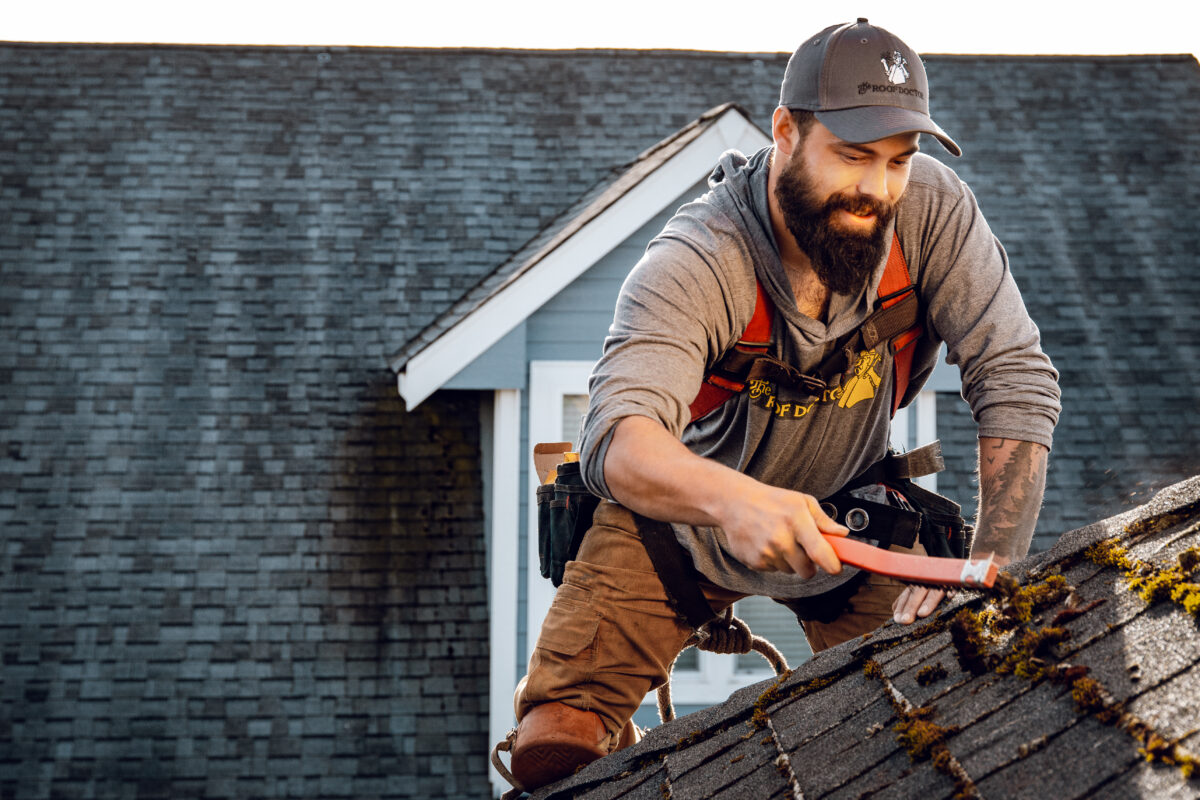
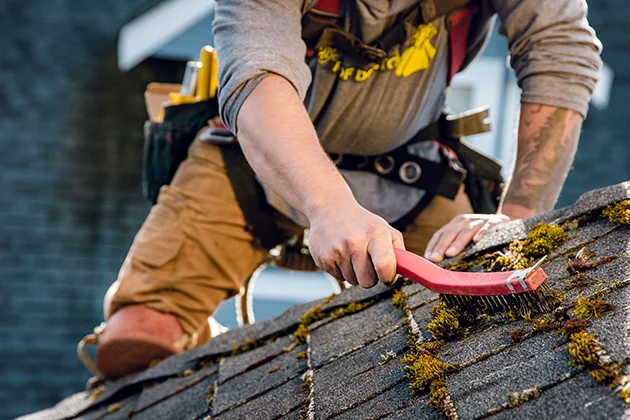
  • Moss or algae buildup.

If you spot any of these signs, scheduling a roof inspection is a wise first step to prevent further damage.

When to Replace Your Roof

For roofs beyond a certain age or with extensive damage, replacement is often the better long-term investment.

Indicators That Replacement Is Needed Instead of Repair

A roof should likely be replaced if:

  • The age of the roof exceeds its typical lifespan (20+ years for asphalt shingles).
  • Frequent repairs have been necessary, indicating that the structure is wearing out.
  • Widespread issues such as multiple leaks or severe shingle deterioration are visible.

Evaluating Cost-Effectiveness of Replacement vs. Repair

While repairs can keep a roof functional, a new roof can reduce future maintenance costs. Replacing a roof also enhances energy efficiency, improves weather resistance, and boosts home value.

How Long Do Roofs Last in Washington?

Lifespan by Material Type

Roofing MaterialExpected Lifespan in WA
Asphalt Shingles15-30 years
Metal Roofing40-50 years
Tile Roofing40+ years

Factors That Shorten Roof Lifespan in WA

  • Moss and algae growth fostered by the region’s rain.
  • Tree debris which can trap moisture and damage shingles.
  • Freeze-thaw cycles in winter, leading to cracking and wear.

Questions to Ask Yourself When Deciding Between Repair and Replacement

Assessing Your Roof’s Current Condition

You can conduct a DIY roof inspection for obvious issues, but scheduling a professional inspection is key. A professional roofing contractor familiar with Washington’s conditions is your best option for identifying those hidden issues.

Budget Considerations

If costs are a concern, calculate the potential savings over time. Repairing a roof might be more affordable initially, but replacement can offer savings on energy and maintenance.

Long-Term vs. Short-Term Goals

  • Short-term: Repairs might be ideal if you plan to sell soon.
  • Long-term: If you intend to stay in the home, a replacement may be the better choice to ensure reliable performance over the years.

Frequently Asked Questions

How Often Should You Replace Your Roof in Washington State?

In Washington, roofs typically need replacement every 15–25 years, depending on material and maintenance. Regular upkeep can help you reach the high end of this range.

How to Decide Between Roof Repair, Patching, and Replacement

The choice largely depends on the extent of the damage and the age of the roof. Minor, localized issues may only require a patch or repair, while older roofs often benefit more from a full replacement. Evaluating budget, goals, and long-term plans also helps make the best choice for each situation.

Cost Comparison: Repair vs. Replacement in Washington State

Average Costs of Roof Repair and Replacement in WA

Roof repairs may cost between $400 and $1,000 for minor issues, while a full replacement can range from $10,000 to $15,000 or more, depending on size, material, and other factors.

How to Save Money on Roof Repairs and Replacement

Regular maintenance, seasonal inspections, and quick responses to damage are the best ways to minimize costs over time.

Choosing the Right Roofing Contractor

What to Look for in a Washington Roofing Contractor

When choosing a roofing contractor, prioritize local companies with a strong reputation. Look for certifications and bonding for peace of mind, as well as experience with Washington’s climate. Reviews and testimonials from other homeowners in your area are also helpful to gauge reliability and service quality.

Questions to Ask a Roofing Contractor Before Hiring

  • What is the expected timeline for completion?
  • Are there warranties on materials or labor?
  • What safety measures do you take?

Final Thoughts

Deciding whether to repair or replace your roof in Washington state depends on several factors, including the roof’s age, extent of the damage, and local climate. Repairs can be a quick, cost-effective solution, but a replacement may provide better long-term value, especially in areas with heavy rain or tree cover.

Why Choose The Roof Doctor?

For over 60 years, The Roof Doctor has provided dependable, family-owned service to Western Washington. With highly trained crews, 24/7 emergency availability, and a focus on customer satisfaction, we’re here to meet all your roofing needs. Whether it’s a minor repair or a complete replacement, we have you covered with fast, reliable service that’s licensed, bonded, and insured.

Need Help Deciding? Contact The Roof Doctor Today!

Still unsure if your roof needs a repair or replacement? Don’t hesitate to reach out—that’s what we’re here for! Our team is on call and ready to ensure your roof remains strong and weather-resistant for the years to come.

Roof Overlay Explained: Is It the Best Option for Your Washington Home?

A roof overlay is becoming an increasingly popular option for people looking to save time and money on roof maintenance, especially in areas like Western Washington, where weather conditions can be harsh. But is it the right choice for your home? In this article, we’ll break down everything you need to know about roof overlays—their benefits, drawbacks, and how to decide whether an overlay is the best option for you.

What Is a Roof Overlay?

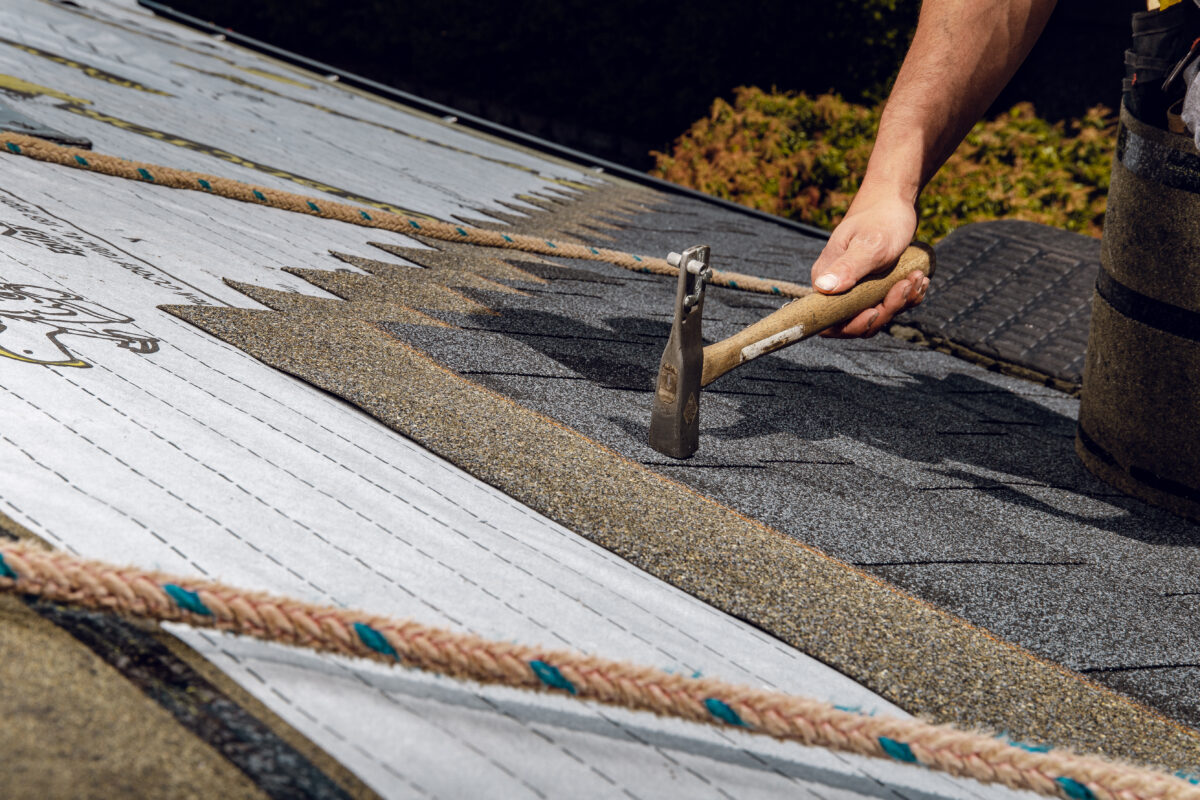
A roof overlay involves installing a new layer of shingles over your existing roof instead of completely removing the old roofing materials. Essentially, your current roof stays in place, and a second layer of shingles is applied directly on top. This method is a faster, less disruptive alternative to a full roof replacement and can save on labor costs.

Common Misconceptions About Roof Overlays

Many homeowners assume that a roof overlay is a temporary fix, but this isn’t always the case. While an overlay can shorten the lifespan of your roof compared to a complete tear-off, it can still last a significant amount of time if your current roof is in good condition. Another misconception is that overlays are DIY-friendly, but the reality is they require the expertise of a licensed roofing contractor.

Benefits of a Roof Overlay

Roof overlays have become a popular choice for homeowners in Washington State for several reasons. 

Cost Savings

An overlay is typically less expensive than a full roof replacement because you’re not paying for the removal of the existing roof. This reduces labor costs and roofing material expenses, allowing homeowners to keep their budget in check.

Quicker Installation

Since you’re not tearing off the old roof, the installation process for an overlay is faster. Many projects can be completed in 1-2 days, minimizing disruptions to your household.

Minimal Disruption

A roof overlay causes less mess and noise than a full replacement. There’s no need to deal with piles of old shingles or debris, making the process smoother for both the homeowner and the roofing team.

Drawbacks of a Roof Overlay

While roof overlays offer advantages, they also come with some potential downsides that you should be aware of.

Potential Structural Issues

Adding an extra layer of shingles increases the overall weight of your roof. In some cases, this can lead to structural strain, especially if the original roof is already old or damaged. It’s essential to have your roof inspected by a professional to ensure it can handle the additional weight.

Shorter Lifespan Compared to a New Roof

While an overlay is cheaper upfront, it typically won’t last as long as a complete roof tear-off and replacement. The underlying issues with the existing roof will still be there, shortening the life of the roofing system in the long run.

Limited Repair Options

If your roof sustains damage later, it can be more challenging to repair an overlay. Roof inspections may also be more difficult since there are two layers of shingles to assess.

Roof Overlay vs. Tear-Off: What’s the Difference?

One of the most important decisions when it comes to roofing is whether to go for an overlay or a tear-off roof replacement. Here’s how the two options compare:

Overview of Tear-Off Roof Replacements

A tear-off involves removing the existing shingles and roofing material before installing new shingles. When you use this process, you’re refreshing your roof with entirely new shingles, giving the roof a longer lifespan and better performance.

Pros and Cons of Both Options

FactorRoof OverlayTear-Off Roof Replacement
CostLower initial costHigher upfront cost
Installation TimeQuicker (1-2 days)Longer due to tear-off process
LifespanShorterLonger, typically 20-30 years
Structural ImpactAdds extra weight to the roofNo additional weight
MaintenanceMore challenging to repair in the futureEasier to maintain and inspect

Is a Roof Overlay Right for Your Washington Home?

Assessing the Condition of Your Existing Roof

If your roof is in good condition—meaning it has no major damage, leaks, or structural issues—an overlay can be a viable option. However, if there are signs of significant wear, it’s usually better to opt for a full replacement to avoid compounding existing problems.

Climate Considerations for Washington

The Pacific Northwest experiences significant rainfall, which can exacerbate roofing issues over time. An overlay may not perform as well in the face of constant moisture, so it’s important  to consider the local climate when making your decision.

Local Building Codes and Regulations

Washington has strict building codes regarding how many layers of shingles a roof can have. In most areas, only two sets of shingles are allowed. Exceeding this can result in violations and the need for costly repairs.

How Many Times Can You Overlay a Roof?

The general rule is that a roof can only be overlaid once, meaning no more than two layers of shingles are permitted. After that, a complete roof tear-off is required. Adding more than one overlay can create serious structural problems. Too many layers of roofing materials can compromise the integrity of your home’s framework, especially under the weight of heavy rain or snow.

Cost Considerations for a Roof Overlay in Washington

A roof overlay is generally cheaper than a tear-off roof replacement. However, you should be aware of hidden costs, such as repairs that may be needed before the overlay can be applied.

Is It Cheaper to Shingle Over an Existing Roof?

Yes, the labor cost for an overlay is lower because the existing shingles don’t need to be removed. This makes it an appealing option for the budget-conscious. However, in the long run, a tear-off may prove to be more cost-effective due to its longer lifespan.

Hidden Costs to Watch Out For

Even with a roof overlay, there may be hidden costs, such as needing to fix underlying damage to the existing roof before the new layer can be applied. This is why a thorough roof inspection is essential before moving forward. Keep in mind, however, that the repairs–however likely you are to need them–are not guaranteed, while the lower price of the overlay is not in question. 

Practical Tips for Homeowners Considering a Roof Overlay

If you’re considering a roof overlay, here are some tips to help you make an informed decision:

  • Schedule a Professional Inspection: Always have a roofing expert inspect your roof to ensure it’s a good candidate for an overlay.
  • Ask About Local Codes: Confirm how many layers of shingles are allowed in your area.
  • Consider Long-Term Costs: While an overlay is cheaper upfront, think about potential long-term costs, including repairs and reduced lifespan.

Closing Thoughts

A roof overlay can be a fantastic option for homeowners in Washington State who want to save time and money while extending the life of their roof. However, it’s essential to weigh the pros and cons carefully and consider factors like your roof’s condition, the local climate, and future maintenance needs.

Why Choose The Roof Doctor?

At The Roof Doctor, we have over 60 years of experience helping our neighbors in Western Washington with all their roofing needs. Our highly trained crews specialize in both roof overlays and tear-off replacements, ensuring you get the best solution for your home. Whether you need a quick fix or a long-term solution, we’re here to help—24/7 emergency service included!

Ready for the best service your roof has ever gotten? Contact us today for an inspection!

Do Solar Panels Impact Your Roof’s Integrity? What You Need to Know

As more homeowners and businesses turn to solar energy to reduce their carbon footprint and save on energy costs, many are beginning to ask an important question, “how do solar panels affect roof integrity?” Installing solar panels can be a fantastic long-term investment, but ensuring the safety and longevity of your roof is just as critical. Today, we’ll break down everything you need to know about the impact of solar panels on your roof and what steps you should take to protect your home or business.

What is Roof Integrity?

Roof integrity refers to the overall strength, durability, and condition of your roof. A roof with strong integrity can effectively protect your home from the elements, maintain proper ventilation, and prevent leaks or structural damage. The integrity of your roof is obviously important, not only for your own safety, but also for your finances, as repairs can be costly. 

How Solar Panels Are Installed on Roofs

Mounting Methods

Solar panels are typically installed using two main methods:

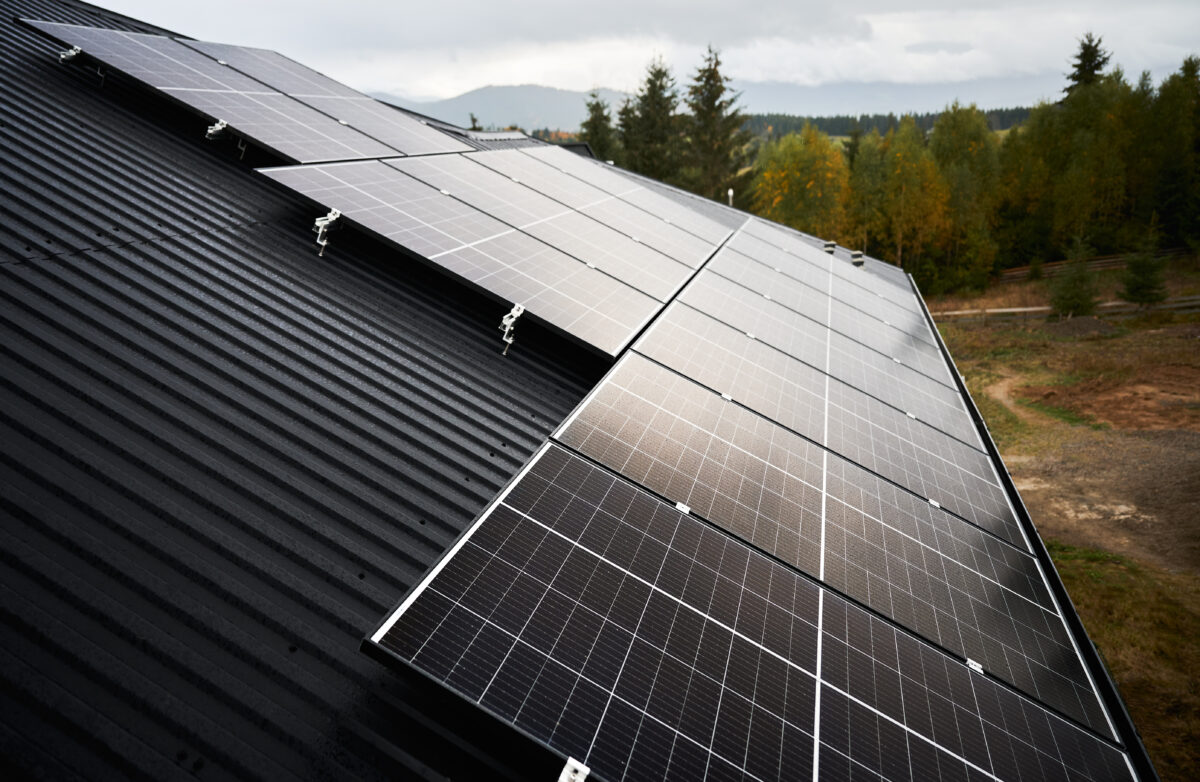
  • Penetrating Mounts: These mounts are the most common method for installation. They involve drilling into the roof to secure the mounting systems that hold the panels. This method is stable, but it’s critical that the penetrations are properly sealed to avoid leaks and damage.
  • Non-Penetrating Mounts: This method uses ballasts or adhesives to hold panels in place without penetrating the roof. Non-penetrating systems are ideal for flat or metal roofs, where the panels can be stable without the need for drilling into the roofing materials.

Both methods work well, but only one will work for your roof. Careful consideration of your roof’s materials and overall condition before installation is non-negotiable.

Weight and Load Considerations

Solar panels are relatively lightweight, but the additional weight they add can still impact your roof structure. On average, a solar panel system weighs about 2.5-4 pounds per square foot. While this is usually manageable for most roofs, older or damaged roofs may need reinforcement. It’s always best to consult with a professional before beginning the installation process to ensure your roof can support the panels.

Effects of Solar Panel Installation on Roof Structure

Impact on Roof Durability

Solar panels can have both positive and negative effects on your roof’s durability:

  • Positive: Panels can act as a shield, protecting the roof from direct sunlight, UV exposure, and hail—potentially extending the life of roofing materials like asphalt shingles or tile roofs.
  • Negative: Improper installation, especially with penetrating mounts, can cause damage to roofing materials or the roof structure itself, leading to leaks or other long-term issues.

Roof Penetrations and Water Leaks

When using penetrating mounts, there’s always a risk of water leaks if the penetrations aren’t properly sealed. Each penetration must be meticulously handled, with the correct use of flashing, sealants, and mounting systems to prevent future damage. 

Heat and UV Exposure

While solar panels provide some protection from the sun, areas of the roof that aren’t covered by the panels will still be exposed to the elements. This can create uneven wear on roofing materials, leading to a situation where one part of your roof lasts longer than another. These often-overlooked details are why we highly recommend hiring a professional to install your solar panels, rather than do the project yourself and end up needing to hire a professional anyway for repairs.

Can Solar Panels Damage Your Roof?

Installation Errors to Watch For

The key to ensuring your solar panels do not damage your roof is to work with experienced, licensed professionals who know how to handle your specific roof type. Some common errors that could lead to damage include:

  • Poor sealing of penetrations
  • Incorrect weight distribution
  • Improper attachment to roofing materials like asphalt shingles or metal roofs

Examples of Roof Damage from Poor Installations

In some unfortunate cases, poor installations have led to:

  • Water damage from leaks around panel mounts
  • Cracked or broken tile roofs due to improper attachment methods
  • Sagging roof sections caused by uneven weight distribution

Do I Need to Reinforce My Roof for Solar Panels?

Evaluating Roof Strength Before Installation

Before installing solar panels, it’s important to evaluate your roof’s strength. An inspection can determine whether your roof needs reinforcement to support the additional weight of the panels.

Professional Roof Inspection

Getting a roof inspection from a professional roofing contractor can help identify any weak spots or necessary repairs before the solar install. This can save you time and money in the long run, ensuring the panels are installed on a sturdy and secure roof.

Roof Types and Solar Panel Compatibility

Which Roofs Are Best Suited for Solar Panels?

  • Asphalt Shingles: These are the most common roofing material and are generally compatible with solar panels.
  • Metal Roofs: Metal roofs are durable and can handle solar energy systems without the need for penetrations, making them an ideal candidate for solar installations.

Roofs That May Not Be Ideal for Solar Installations

Older roofs or those made from materials like slate or wood shake may not be as compatible with solar panels. In some cases, the roof may need to be replaced before the solar panel system can be installed.

Are Solar Panels Too Heavy for My Roof?

Understanding Weight Distribution

The weight of solar panels is distributed across the entire roof, but it’s still important to ensure your roof can handle it. Metal roofs and well-maintained asphalt shingles can typically bear the load, but older or poorly maintained roofs may struggle.

Additional Supports or Reinforcements

In some cases, reinforcements may be needed to support the mounting systems and prevent future damage to your roof. This is especially true for roofs that are already nearing the end of their lifespan.

Pros and Cons of Installing Solar Panels on Your Roof

Pros

  • Protection from Elements: Solar panels can shield your roof from weather damage, UV rays, and hail, which could extend the life of your roofing materials.
  • Reduced Energy Costs: Not only do solar panels generate clean energy, but they also allow for net metering, which can significantly reduce your reliance on fossil fuels and lower energy bills.

Cons

  • Installation Damage: Improper installation techniques can result in damage to your roof.
  • Weight: Adding a solar energy system to an older roof may increase the risk of structural issues.

Maintaining Roof Integrity After Solar Installation

Regular Inspections

Once your solar panels are installed, it’s important to schedule regular roof inspections to ensure no damage has occurred. Inspections will help identify any issues before they become serious problems.

Cleaning and Maintenance Tips

Maintaining both your roof and solar panels is essential to avoid unnecessary damage. Regularly cleaning your panels and keeping debris off the roof can help maintain both systems.

Closing Thoughts

When done correctly, solar panel installations should not negatively affect your roof’s integrity. In fact, with proper installation, solar panels can extend the life of your roof. However, the key is to ensure that both the roof and the solar panels are maintained over time.

Why Trust The Roof Doctor?

At The Roof Doctor, we’ve got all your roofing needs covered. With over 60 years of experience, our family-owned and operated company has helped countless Western Washington homeowners and businesses maintain the integrity of their roofs during solar panel installations. Whether you need a pre-installation inspection, roof repairs, or help selecting the best roofing materials for a solar install, we’re here to help. Contact us today to ensure your roof is ready for the future of clean energy!

How To Choose The Best Roofing Contractor

Want to hire a trustworthy roofing contractor? Our guide breaks down everything you need to know, from verifying credentials to understanding estimates. Read on and discover how to make an informed decision for your roofing needs!

How Roofers Rip You Off and How to Avoid It

Don’t let unscrupulous roofers take advantage of you! Uncover the secrets behind common roofing scams and arm yourself with the knowledge to avoid being ripped off. Click now to protect your home and wallet by reading The Roof Doctor’s comprehensive guide.

How To Detect and Address Roof Leaks Early

Keep your home dry and damage-free! Our latest article walks you through the steps to detect, address, and prevent roof leaks with easy-to-follow tips and advice from your trusted professionals at The Roof Doctor. Read on for everything you need to know for a healthy roof check-up!

Roofing Safety: Best Practices for DIY Maintenance

Learn how to safely and successfully manage your DIY roofing projects with essential tips on proper safety gear, weather considerations, and when to call in the professionals. Read on for the guidance you need to tackle roof maintenance with confidence as a homeowner.

Flat Roof Versus Pitched Roof: Which Is Best For Your Building?

Choosing the Right Roof Just Got Easier! Explore our expert breakdown of flat versus pitched roofs to see which is the smartest choice for your property. Find out which roof type stands up to your local climate, fits your aesthetic desires, and meets your budget. Make an informed decision with guidance from the trusted professionals at The Roof Doctor!