

Home Owner Tips

Why Regular Roofing Maintenance Saves Money

Keeping a roof over your head is one of those fundamental human needs, like hydration or food, yet it often gets overlooked. Your roof protects everything underneath it, and like anything that works hard, it needs a little care in return. Regular roofing maintenance may seem like just another item on your to-do list, but it’s one of the most cost-effective decisions you can make as a homeowner. It prevents expensive surprises, extends your roof’s lifespan, and helps keep your home safe and sound.

What Does Regular Roof Maintenance Actually Mean?

When we say “regular maintenance,” we’re not just talking about checking your roof when there’s a leak. It’s a proactive approach that includes routine inspections, minor fixes, and cleaning that all work together to keep your roof performing at its best.

This might involve a professional looking over your shingles and flashing for signs of damage, clearing out leaves and moss, checking that your gutters aren’t clogged, and resealing areas around vents and chimneys. Each step, though small on its own, helps prevent larger and more costly problems down the road.

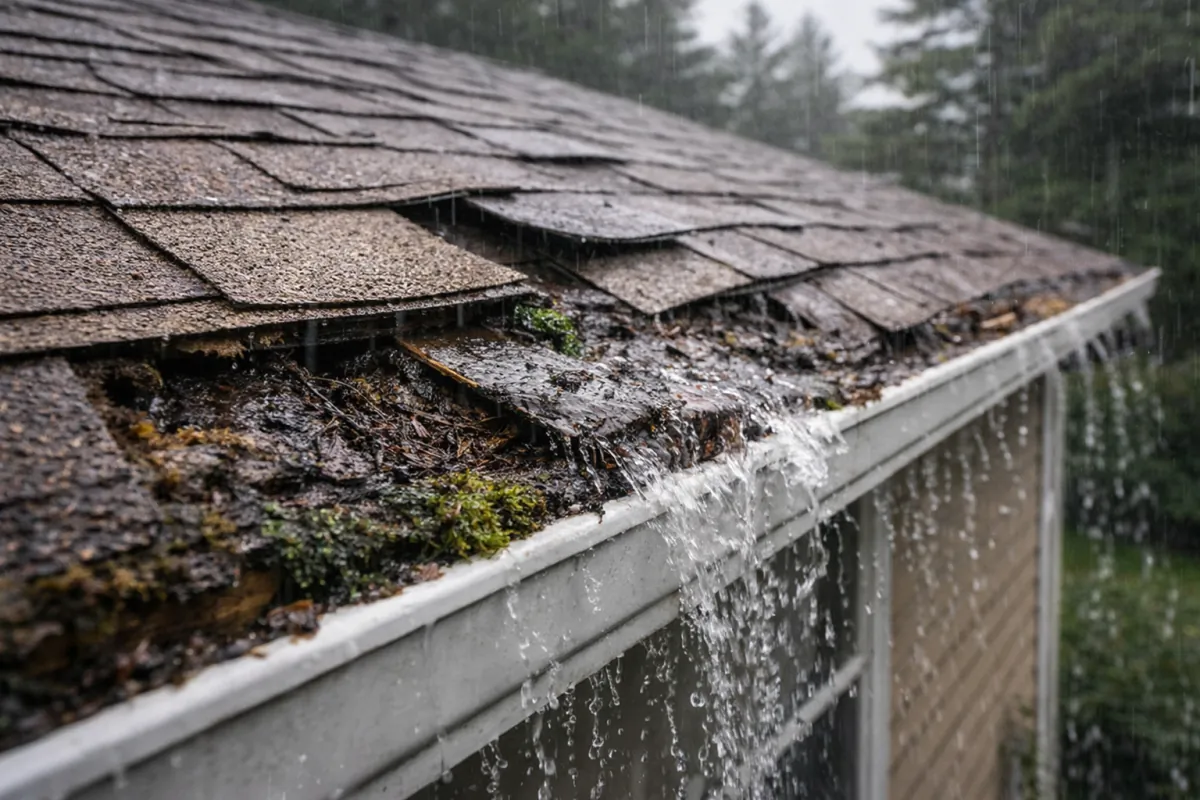
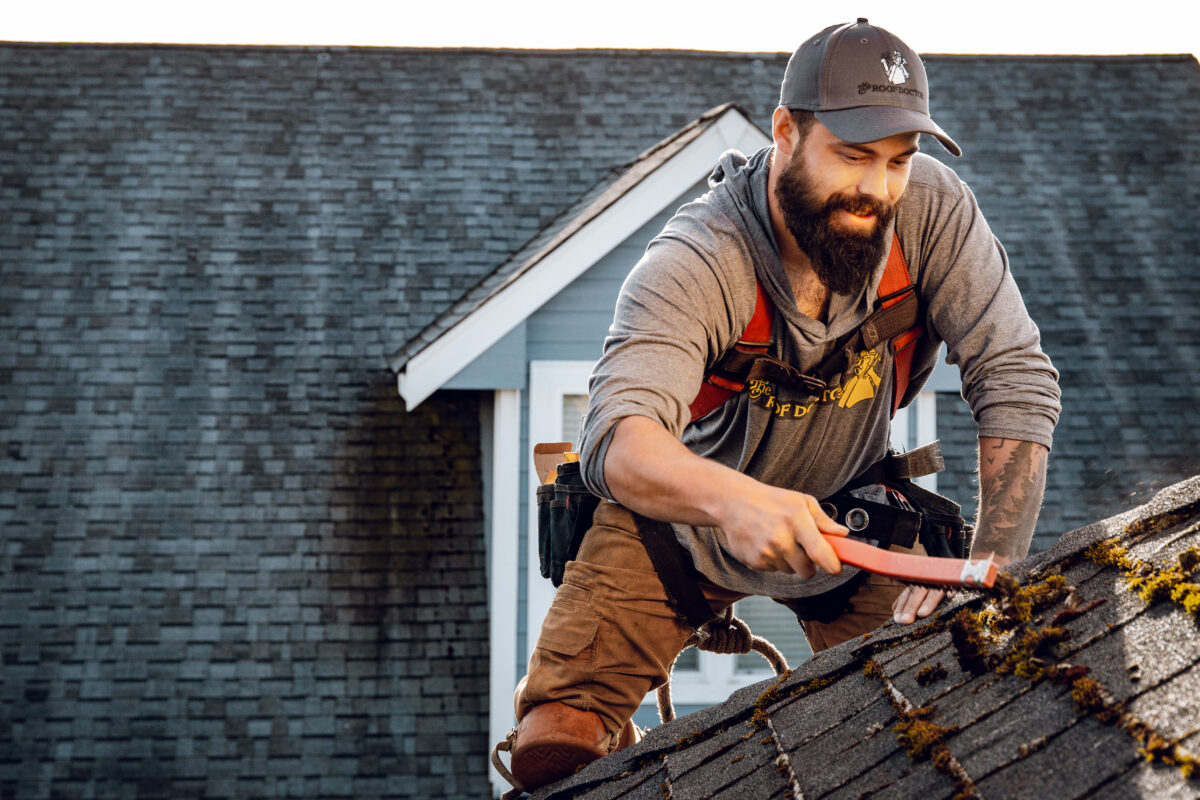
In Washington’s wet climate, regular maintenance also means tackling moss and algae before they have a chance to break down your roofing materials. Even a handful of pine needles or debris left to collect moisture can eventually weaken your shingles and create a pathway for leaks.

How Often Should Roof Maintenance Happen?

We typically recommend homeowners schedule maintenance at least twice a year: once in the spring and again in the fall. These are the seasons when your roof faces the biggest transitions in weather, making it a prime time to check for damage from storms, moisture buildup, or temperature shifts. It’s also a smart move to schedule a checkup after any major storm. High winds and heavy rain can loosen or damage shingles, even if everything looks okay from the ground.

What’s Cheaper: Regular Maintenance or Major Repairs?

Let’s talk dollars. A professional maintenance visit might cost you a few hundred dollars. But if you wait until something goes wrong, that price can easily jump into the thousands.

Repairs for things like leaks, damaged flashing, or sagging rooflines often require more labor and materials, and in some cases, emergency response. Ignoring maintenance can also lead to issues inside your home, including wet insulation, stained ceilings, warped framing, and mold.

Worse still, neglect can shave years off your roof’s life. A well-maintained roof can often last twenty to thirty years, depending on the materials used. Without upkeep, that lifespan may be cut in half.

Why Roof Maintenance Pays Off in the Long Run

One of the biggest benefits of staying on top of maintenance is catching small issues early. A missing shingle or a clogged downspout may not seem like a big deal today, but left unchecked, they can allow water to seep into the roof deck or walls. Once moisture finds its way in it spreads, often quietly, until you’re dealing with widespread damage and high labor costs.

Beyond preventing structural damage, maintenance also helps with energy efficiency. If your roof has cracks, gaps, or poor ventilation, it can throw off the temperature regulation in your home. That means your HVAC system has to work harder, and your energy bills go up.

Why Western Washington Roofs Need Extra Attention

If you live in this region, you already know that roofs here face more than their fair share of challenges. Our climate is damp and cool for much of the year, making moss and algae growth more than just a cosmetic issue. Moss holds moisture against the surface of your shingles, speeding up wear and even lifting shingles away from the roof deck.

Our rainy seasons and frequent windstorms also mean roofs get pounded by the elements on a regular basis. Even minor wind damage or backed-up gutters can quickly lead to water infiltration if not caught early. For homeowners here, regular inspections are less about luxury and more about weatherproofing your home.

What a Professional Roofing Inspection Looks Like

An experienced roofing professional can spot issues you might never notice from the ground or even from your ladder. They’ll check for loose or missing shingles, examine seals around vents and chimneys, and take a close look at flashing and gutter systems. They’ll also look for signs of water damage, soft spots, and unusual wear patterns that could signal deeper problems.

You may notice a stain on your ceiling and think it’s minor. But a professional may trace it back to a puncture in the roof that’s been letting in water for months. That kind of early detection can save you thousands in repairs.

How to Get the Most Out of Your Roof

Think of your roof like your car; it runs better and lasts longer when you take care of it. Plan seasonal check-ins to match the weather patterns. In the fall, keep an eye out for leaf buildup and clogged gutters. In spring, look for signs of wear after winter storms. If you notice missing shingles or unusual stains inside your home, don’t wait to get it checked out.

And while DIY inspections can help you spot visible damage, nothing beats having a professional roofing team assess the condition of your roof with the right tools and expertise.

Takeaway: Small Steps for Big Savings

It doesn’t take much to keep your roof in great shape. Just a little routine care twice a year is all it takes to catch problems early, prevent expensive repairs, and extend the life of your roof well beyond the average.

It’s not just about money, either. Regular roofing maintenance helps protect your home, reduce stress, and give you peace of mind year-round. And in a place like Western Washington, peace of mind is priceless.

Call The Roof Doctor—We’ve Got Your Roof Covered

At The Roof Doctor, we’ve spent over 60 years helping local homeowners and businesses take better care of their roofs. We’re family-owned, deeply rooted in our community, and ready to help, whether it’s a quick check-up, storm follow-up, or full roof inspection. Our skilled crews handle residential and commercial roofing with professionalism, kindness, and a whole lot of experience.

We’re available 24/7 for emergencies and offer reliable service when you need it most.

If it’s been a while since your last inspection, or if you’re not sure your roof is still in good shape, give us a call. We’re here to help, and we’d be happy to take a look.

Let’s take care of your roof today, so it can take care of you tomorrow.

Gutter Cleaning vs. Gutter Guards: What’s Best?

Living in the western half of Washington state means living in an almost-constant state of damp or rain. If you own a home here, the chances that you’ve spared a little more thought to your gutters than the average person is pretty high. With all the rain, fir needles, moss, and leaves we deal with, it’s a natural progression to go from simply depending on and cleaning your gutters as they are to wondering whether gutter guards might make life easier. When it comes to gutter cleaning vs. gutter guards, there is no one-size-fits-all answer, but there is a clear way to figure out what makes the most sense for your home.

Why Gutters Matter More Than You Think

Your gutters have one main job, and it’s pretty obvious. They move water off your roof and away from your home. When they do not work properly, that water ends up in places it should never be. Over time, this can lead to roof edge rot, damaged siding, foundation issues, and even leaks inside your home. 

In Western Washington, clogged gutters are incredibly common. Pine needles, leaves, and roof debris build up fast, especially if your home is surrounded by trees. Once water cannot flow freely, it backs up onto the roof or pours over the sides, which is how small gutter problems turn into real water damage. This makes gutter maintenance imperative to keeping your roof healthy, especially here. 

What Gutter Cleaning Actually Looks Like

Gutter cleaning is exactly what it sounds like. When the gutter is cleaned, it typically goes something like this: debris is removed so water can flow through the gutter and downspouts without backing up. Simple. Most homes in this area need cleaning at least once or twice a year (though some homes need it more often, depending on tree coverage and roof layout). 

Professional gutter cleaning is more thorough than what most homeowners can safely do themselves. It usually includes removing packed debris, flushing downspouts, and checking for loose sections or early signs of damage. One of the biggest benefits to this service is that someone is actually looking at your gutters and roof edges regularly, which helps catch small issues before they turn into expensive repairs.

What Gutter Guards are Meant to Do

Gutter guards are designed to keep debris out of your gutters while still letting water in. That sounds perfect on paper, but real-world results depend on the type of guard, how it is installed, and what kind of debris your home deals with.

There are many types of gutter guards, including screen gutter guards, mesh gutter guard systems, foam gutter guards, and surface-tension designs. Screens, gutter systems, and mesh options are the most common. Some are marketed as maintenance-free, but that claim does not really hold up, especially in wet, tree-heavy environments like ours. The one stipulation with these things is that though they do reduce maintenance, they don’t eliminate it altogether. You will still have to clean your gutters from time to time, whether you use gutter guards or not. 

Basically, the biggest difference between the two options comes down to how debris is managed. Gutter cleaning removes debris after it collects. Gutter guards try to limit how much debris gets in to begin with.

Why Many Homeowners Stick with Gutter Cleaning

Routine gutter cleaning is simple, effective, and predictable. It clears out everything, not just part of the debris, and gives you a clean slate each time. It also allows professionals to spot loose gutters, worn flashing, or early roof issues while they are up there. The downside to this is that it requires consistency. Gutters need to be cleaned regularly, and skipping service can lead to problems. For homeowners who try to do it themselves, safety can also be a concern, especially on steep or multi-story roofs. The simple fact is that for homes with lots of trees, older gutters, or complicated rooflines, regular cleaning is usually the more reliable option.

Where Gutter Guards Fall Short and Where They Can Help

Gutter guards can help reduce the amount of large debris entering your gutters and may stretch out the time between cleanings. In some situations, they can be a useful part of a gutter protection plan.

That said, gutter guards cause problems when debris piles up on top of them. Water may spill over instead of flowing in, which can lead to water damage along siding and foundations. In winter, gutter guards can interfere with drainage when ice forms or when gutters need to melt snow during freeze-thaw cycles. Instead of helping, they can make drainage less predictable. 

Cost Over Time

Gutter cleaning has a lower upfront cost but happens on a regular schedule. Gutter guard installation costs more at the beginning. Whether guards are cost effective over 20 years depends on how well they perform on your home and how much maintenance they still need. In many cases, the cost of gutter cleaning with guards installed is higher because of the added labor involved.

Winter Performance Matters Too

Even though winters here are not extreme, freeze-thaw cycles still affect gutters. If water cannot drain properly, it freezes along the gutter edge or backs up under roofing materials. Gutter guards can make this worse by limiting how water enters the system, increasing the chance of overflow or ice buildup.

How Long Gutter Guards Last

The lifespan depends on the material and exposure. Foam products tend to break down faster. Plastic guards can warp. Metal mesh systems generally last longer but still need upkeep to stay effective. No gutter guard lasts forever, and none work without maintenance.

What Roofing Professionals Usually Recommend

Roofers focus on one thing first: water flow. If water is not moving off your roof and away from your home, problems follow. For many homes, reliable gutter cleaning is still the most dependable solution. Gutter guards can make sense in certain situations, but they are not a universal fix. However, the best recommendations are based on your roof, your trees, and your long-term plans, so don’t just take our word for it here. If you’re not sure what to do, don’t hesitate to reach out. We’re happy to take a look at your roof and let you know the best course of action. 

Why Trust the Roof Doctor with Your Gutters?

Your gutters play a direct role in how well your roof protects your home, which is why experience matters. The Roof Doctor has served Western Washington homeowners for more than 60 years, bringing a deep understanding of how our climate, roof designs, and drainage systems work together. When we evaluate your gutters, we also look at the roof as a whole so problems are addressed correctly, not just temporarily covered up.

As a family-owned and operated company, we focus on reliable service, clear recommendations, and long-term roof care. Our licensed, bonded, and insured crews handle everything from routine gutter cleaning to emergency repairs, often completing jobs in one to two days. If you want dependable service from a local company you can trust, The Roof Doctor is here to help.

How Winter Weather Affects Roof Lifespan and Leak Risk

If you live in Western Washington, you know how unpredictable winter can be. One day it’s raining sideways, the next it’s snowing, and then it all melts, freezes, and repeats. This kind of winter weather affects roof health more than most people realize. From ice dam formation to structural damage caused by heavy snowfall, the cold season can be hard on your home’s first line of defense.

Below, we’ll break down exactly how winter weather impacts your roof’s lifespan, increases the risk of leaks, and what steps you can take to prevent problems before they start.

How Cold Weather Stresses Your Roof

When temperatures drop, roofing materials go through constant expansion and contraction. This may sound minor, but over time it can cause big issues.

During the day, snow and ice melt just enough to seep into tiny cracks. At night, that moisture freezes and expands, putting pressure on shingles, flashing, and sealants. Repeat that process dozens of times over the winter, and even a newer roof can start to wear down. As roofing materials contract in freezing temperatures, shingles can become brittle. Older or lower-quality shingles are more likely to crack, split, or lift, leading to leaks or wind damage.

Why Roof Leaks are More Common in Winter

Snow and Ice Block Water from Draining

When snow and ice cover your roof, they can trap moisture where it shouldn’t be. Water backs up under the shingles or seeps into weak spots, especially along valleys, flashing, or around chimneys.

Gutter Clogs Create Water Backups

Clogged gutters in winter aren’t just annoying; they’re a real risk. Ice builds up, water can’t drain, and before you know it, you’ve got water stains on your ceiling.

Hidden Damage from Other Seasons Gets Worse

That tiny issue you didn’t notice in the fall? Winter will find it. Cold weather makes even small vulnerabilities worse, especially when combined with high winds, ice buildup, and heavy rain.

The Hidden Threats of Snow and Ice

When snow piles up on your roof, it adds weight. Most roofs in Western Washington are built to handle some snow, but not all snow is created equal. Wet, heavy snow puts more strain on your roof than light, fluffy snow. And when that weight sits for days or weeks, it can push the limits of your roofing structure.

Signs of trouble from heavy snowfall include a sagging roofline, cracks in the ceiling or walls inside your home, or unusual creaking sounds. If left unchecked, snow buildup can even cause structural damage.

Another threat you need to watch for is ice dams, which are one of the most common causes of winter roof leaks in our region, especially in homes with uneven insulation. These ridges of ice form near the edge of your roof, usually after heat escapes from the attic and melts snow on the roof’s upper areas. The melted water flows down toward the edges, refreezes, and starts creating a wall of ice. Water pools behind it, seeps under shingles, and starts to leak into your home. 

How Snow Affects Roof Lifespan

While your roof is designed to withstand weather, snow, and ice can speed up aging. Weight from snow stresses roofing supports. Moisture from melting snow can slip into seams or underlayment. Freezing temperatures expand small cracks, making them worse. The longer these conditions last, the harder your roof has to work just to keep your home dry and warm.

In addition to the physical strain, snow creates ideal conditions for mold and mildew, especially if your attic insulation or ventilation isn’t up to par. Over time, this can impact not only the roof but also the air quality in your home.

While your roof is designed to withstand weather, snow, and ice can speed up aging. Weight from snow stresses roofing supports. Moisture from melting snow can slip into seams or underlayment. Freezing temperatures expand small cracks, making them worse. The longer these conditions last, the harder your roof has to work just to keep your home dry and warm.

In addition to the physical strain, snow creates ideal conditions for mold and mildew, especially if your attic insulation or ventilation isn’t up to par. Over time, this can impact not only the roof but also the air quality in your home.

Getting Ahead of Winter Roof Damage

Plan Ahead

Winter roof problems are easiest to avoid when you start planning in the fall. A professional roof inspection before the first freeze can help you catch minor issues, like cracked shingles, flashing gaps, or clogged gutters, before they become winter disasters. Clearing out gutters and checking for attic moisture buildup can make a big difference once the cold sets in.

Look out for Snow and Ice Buildup

Throughout winter, keep an eye on snow and ice buildup. A roof rake can help safely remove excess snow from the edge of the roof, especially near the eaves where ice dams tend to form. Inside the home, monitor the ceilings for any signs of discoloration or water stains. Drafts in the attic or an unexplained chill in certain rooms could also indicate that your insulation or ventilation needs attention.

Consider Professional Service

If you spot signs of trouble, it’s best to call in a roofing expert. Climbing onto a snowy or icy roof isn’t just dangerous, it can actually cause more damage if done improperly.

What to Do If You Spot a Leak in Winter

Signs to Look out For

If water starts dripping in the middle of a storm or you notice a dark stain growing on your ceiling, you’re not alone. Winter roof leaks are surprisingly common. While it might be tempting to patch it yourself, it’s usually safer and more effective to let a professional handle repairs during cold weather.

How to Deal With a Leak If You Find One

You can take temporary steps inside to protect your space, like placing a container under the leak or covering the area with plastic sheeting. But don’t wait too long to call for help. Roof leaks left unattended can quickly lead to insulation damage, mold growth, and expensive repairs.

Our Approach

The Roof Doctor has local crews ready to respond fast, and we’re trained for winter-specific repairs. That includes leak tracing, safe snow removal, emergency patching, and full shingle replacement when needed.

Is It Time to Upgrade Your Roof for Better Winter Performance?

If your roof is nearing the 20-year mark, or if it has needed several repairs in recent years, winter might be the right time to start thinking about a replacement. Investing in better materials designed for cold climates can save you stress and money in the long run.

Some shingles offer better resistance to wind and moisture. High-performance underlayment and water barrier systems give you extra protection beneath the surface. And improvements to attic insulation and ventilation don’t just help your roof. They can also lower your energy bills and keep your home more comfortable all year.

The Roof Doctor Is Here for You All Year Round

At The Roof Doctor, we’ve spent more than six decades helping families and businesses in Western Washington protect their homes through the toughest weather. From inspections and repairs to full roof replacements, we know what your roof needs to stand up to cold, snow, and ice.

Our licensed, bonded, and insured crews are friendly, fast, and trained for winter work. Whether it’s an emergency leak or just a question about your roof’s performance, we’re here, and we’re happy to help.

Call today to schedule your winter inspection or to speak with someone from our team. We’re available 24/7 and always ready to jump in when you need us most. Let’s keep your roof strong, secure, and ready for whatever the season brings.

The Most Common Winter Roofing Emergencies and How to Prevent Them

When winter rolls into Western Washington, it doesn’t just bring chilly mornings and hot cocoa; it brings real roofing risks that can catch even the most prepared homeowners off guard. Between freezing temperatures, heavy snow, and sudden windstorms, the winter season is a top culprit behind unexpected roof problems. And those problems? They often show up as leaks, sagging structures, or even full-blown emergency roof repair situations.

If you’re wondering what issues to watch for and how to protect your home, you’re in the right place. We’re here to walk you through the most common roofing emergencies and what you can do to stop them before they start.

Why Winter Weather Is Tough on Roofs

During winter, temperature swings from day to night cause roofing materials to expand and contract, weakening shingles, flashing, and sealants. Add snow and ice to the mix, and you’ve got water collecting where it shouldn’t, freezing into hard blocks, and sometimes backing up under your roof materials.

This constant pressure leads to problems like ice dams, damaged shingles, leaks, and structural stress. And if your roof is already older or has preexisting wear and tear, winter only accelerates the damage.

Ice Dams are a Silent Winter Threat

Ice dams are one of the most underestimated winter roofing dangers. They form when heat from your attic melts snow on the upper roof. That water trickles down to the colder edges and freezes again, forming a ridge of ice. The more it builds up, the more it traps water behind it, and that water can sneak under shingles and into your home.

Ice dams can cause water stains on ceilings, bubbling paint, or even soaked insulation. And for homes with a metal roof, improper sealing or design can sometimes lead to even faster ice buildup if left unaddressed.

Roof Leaks Caused by Snow and Ice

Waking up to a ceiling drip during a cold snap is a classic winter headache. Roof leaks during the winter season are often caused by snow and ice melting and refreezing around vulnerable areas like flashing, skylights, and valleys.

Water doesn’t always need a visible crack to find its way in. If you’ve ever spotted discolored patches on your ceiling or unexpected moisture around light fixtures, you may be seeing the results of water working its way under your roofing system. The longer snow sits without melting or draining, the higher the risk of long-term water intrusion. That’s why it’s so important to know what your roof looks like before winter hits, and to get minor issues addressed by professional roof contractors before they grow into costly emergencies.

Shingle Damage from Winter Storms

Wind, snow, and freezing temperatures take a toll on shingles, especially older ones. As materials become brittle in the cold, shingles are more likely to crack, curl, or even blow off during a strong winter storm. Damaged shingles leave your underlayment exposed, making it easy for water to slip in. Even newer shingles can suffer if they weren’t installed correctly or if storms hit hard enough. When shingles start falling off, that’s your roof’s way of asking for help fast.

Gutter and Downspout Failure

Gutters do more than just catch rain, they also protect your roof from winter runoff. But during freezing spells, gutters often fill with ice and debris. Water backs up, snow piles on top, and suddenly you’re dealing with bent or broken gutters, or worse, water spilling over and seeping into your siding or foundation. Frozen gutters also contribute to ice dam formation. And if they separate from the fascia board due to weight, it opens the door to structural damage that’s tough to spot until it’s already serious.

Snow Load and Roof Stress

Not all snow is created equal. Wet snow is much heavier than dry snow—and when it accumulates quickly, it puts incredible strain on your roof. In extreme cases, this leads to roof sagging or stress fractures.

Homes with flatter rooflines or older framing are at higher risk, but even pitched roofs can struggle when snow builds up in uneven patterns, especially around dormers or valleys.

Watch for signs like new creaks in the ceiling, cracked drywall, or visibly bowed roofing areas. If anything feels off, don’t wait. Call a pro to assess it before the next snowstorm hits.

Condensation and Attic Moisture

Cold air outside, warm air inside is the perfect recipe for attic condensation. If your attic isn’t well-ventilated or properly insulated, that warm, moist air will condense on cold surfaces like the underside of the roof deck.

Over time, this leads to rot, mold, and mildew. It also contributes to ice dam formation, which, as we mentioned, leads right back to roof leaks and structural problems.

Fixing attic issues might not be glamorous, but it’s one of the most effective ways to prevent winter roofing emergencies, especially in homes with high humidity or heating system ductwork running through the attic.

Falling Ice and Other Hazards

Icicles may look beautiful, but they can be dangerous. Large chunks of snow and ice sliding off a metal roof or shingled surface can damage landscaping, gutters, or even vehicles parked nearby. In rare cases, falling ice has caused injuries. If you notice large sheets of ice forming on your roof edges, or if icicles consistently grow longer than a foot or two, it may be time to rethink insulation or look into roof-safe snow removal tools.

How to Prevent Winter Roofing Emergencies 

The best way to handle roofing emergencies is to avoid them altogether. A professional roof inspection before the winter season gives you a clear picture of your roof’s health. It’s your chance to repair worn flashing, seal exposed nail heads, check gutters, and clean out debris before the weather turns.

If your home has a history of roof leaks, ice dams, or attic moisture, this is the time to talk about insulation upgrades or better attic ventilation. Even a small adjustment, like sealing attic bypasses, can reduce heat loss and lower the risk of ice-related problems.

Don’t forget your gutters. A clean, ice-free gutter system makes a huge difference during freeze-thaw cycles. And when snow does pile up, using a roof rake to safely clear the edges can reduce stress and help prevent ice dams from forming.

When You Spot a Problem, What Should You Do?

The moment you see a drip, a dark patch on the ceiling, or hear a suspicious creak overhead, don’t ignore it. Emergency roof repair in winter requires quick action. Cover the area below, reduce interior humidity if possible, and call trusted local roof contractors who know how to handle repairs in freezing temperatures.

What You Can Do Right Now to Protect Your Home

Start by asking yourself: when was the last time your roof was inspected? If it’s been a few years or if you’ve noticed any signs of trouble, it’s time to schedule a winter readiness checkup. You don’t need to wait for a full-blown storm damage situation to act. Even small issues, like a loose shingle or clogged downspout, can turn into bigger problems when freezing temperatures take hold.

We’re Here When You Need Us Most

At The Roof Doctor, we’ve been helping families and businesses in Western Washington through winter roofing emergencies for more than 60 years. We’re family-owned, customer-focused, and available 24/7 to help with everything from storm damage to attic condensation.

Our licensed, bonded, and insured crews handle residential and commercial roofs with care, speed, and top-notch workmanship. Whether you need emergency roof repair or just want peace of mind before the next storm rolls in, we’re here, and we’re happy to help.

Call us today to schedule your winter inspection, request repairs, or speak with one of our friendly experts about keeping your home safe, dry, and strong all season long. Let’s get your roof winter-ready together.

Navigating Roof Replacement Costs in Washington: A 2026 Guide

Every roof has a lifespan, and when it reaches its end, a roof replacement becomes imperative to maintain the structural integrity of your home or business. In Washington, the varying factors like materials, labor, and additional costs contribute to the overall expense of a roof replacement. This guide is designed to provide you with a detailed understanding of what to expect cost-wise when considering a roof replacement.

Unveiling the Average Costs: A Glimpse into Washington’s Roofing Expenses

In Washington, the average cost of a roof replacement can range widely due to a multitude of factors. However, to provide a ballpark figure, the costs can range from about $4.35 to $11 per square foot depending on the materials chosen and other associated costs. For a standard 2,000-square-foot roof, this translates to an overall expense ranging between $8,700 and $22,000. As we navigate through the subsequent sections, we’ll dissect these costs further to provide a clearer picture of what to expect when you decide to replace your roof in Washington​​.

The Factors: What Affects Roofing Costs? 

To really provide an accurate estimate of how much it will cost to replace your roof, we first have to delve a little deeper into the finer details of what really affects the overall cost. 

Material Costs

Asphalt Shingles: A cost-effective choice with a price range of $3.50 to $5.50 per square foot. They are known for their durability and can last between 20 to 30 years, making them a popular choice among homeowners.

Metal Roofing: A long-term investment with a cost range of $7.00 to $12.00 per square foot. Its durability and energy efficiency make it a worthwhile choice, capable of lasting up to 50 years or more.

Tile Roofing: Priced between $6.00 to $15.00 per square foot, known for its aesthetic appeal and can last over 50 years with proper maintenance.

MaterialCost per Square Foot
Asphalt Shingles$3.50 – $5.50
Metal Roofing$7.00 – $12.00
Tile Roofing$6.00 – $15.00

Labor Costs

Experience of Roofers: The experience of roofers significantly impacts the labor cost. Experienced contractors may charge more but provide superior workmanship and problem-solving expertise.

Complexity of the Roof: The complexity of the roof may directly influence the labor cost. For instance, a complex roof pitch or a larger roof size will require more labor, thus increasing the cost.

Size of Your Roof

Additional Costs

Permits and Inspections: Permit fees in Washington can range from $100 to $1,000 depending on the locality and project size, making them an essential factor to consider in the overall cost.

Disposal and Cleanup: Disposal of old roofing materials and cleanup post-project are additional costs that can add up, contributing to the overall expense.

Roofing Style

The style of your roof is more than just an aesthetic choice; it significantly impacts the cost of roof replacement. Various styles have different levels of complexity, material requirements, and labor needs, all of which play into the cost. For instance, a simple gable roof may require less labor and material compared to a more complex mansard or gambrel roof. Whether you have a flat, pitched, or hipped roof, each style comes with its own set of cost implications which will be reflected in the total roof replacement expense. 

Geographic Location within Washington

Urban areas may incur higher labor costs due to the increased cost of living compared to rural areas, making the geographical location a considerable factor in the overall cost. 

Seasonal Factors

Weather and Timing: Spring and summer are the ideal seasons for roof replacements in Washington due to favorable weather conditions, impacting the overall cost and project timeline.

Emergency Roof Replacements: Emergency replacements can incur additional costs due to the expedited nature of the project, including expedited labor and material delivery.

Insurance and Warranties

Insurance Coverage: Insurance coverage can significantly offset the cost depending on the cause of damage to the roof.

Warranty Options: Exploring warranty options and understanding what is covered can save money in the long-term.

Financing Roof Replacements

Loan Options: Various loan options exist to help finance your roof replacement project, making it essential to explore and compare available financing alternatives.

Government Grants and Subsidies: Some government programs can help offset the cost, making it worthwhile to explore eligibility and application processes.

Cost-saving Tips and Alternatives

Regular maintenance can extend the lifespan of your roof and delay the need for a replacement. Also, exploring alternative roofing materials and solutions can result in cost savings.

Final Summary

Understanding the various factors affecting the cost of a roof replacement in Washington ensures you can make informed decisions regarding your roofing project. Making the right choice of materials and contractors can lead to wise investments in your home or business’s structural integrity.

Why Choose The Roof Doctor

When considering a roof replacement, The Roof Doctor is a name you can trust. With over 60 years of experience, our family-owned business stands out for its reliable service, highly trained crews, and unparalleled customer service. We’re here and happy to help with all your roofing needs. Our friendly and hospitable team is “on call” for any and all of your roofing needs, eager to ensure the lifetime care of your roof.

Tear-Off vs. Roof Overlay: Which Installation Method is Better?

When it is time for roof replacement, one of the biggest decisions homeowners and business owners face is choosing between a complete tear-off roof installation or a roof overlay. Both methods can extend the life of your home’s structure, but each offers very different long-term results. Understanding the pros and cons of each approach helps you make an informed decision that protects your property, your budget, and your roof structure for years to come.

The Two Main Installment Methods

Roof installation typically follows one of two approaches. A tear-off removes every existing layer of shingles, exposes the roof deck, and rebuilds the roofing system from the ground up. This method gives your roofing contractor a clear view of the underlying structure, so any weaknesses, leaks, or hidden issues can be repaired before new materials go on.

A roof overlay, on the other hand, installs a new layer of shingles over the existing roof. This keeps labor costs lower because there is less removal work involved, and the job often moves faster. Overlays can only be done when the current roof is in good condition and free from major issues. They also add weight to the roof structure, so overlays are restricted to properties with only one existing layer of shingles.

Pros and Cons of Tear-Off Roof Installation

A complete tear offers the most thorough and long-lasting solution. Removing all roofing materials allows trained installers to spot problems such as soft decking, trapped moisture, previous leak paths, and inadequate ventilation. Repairs can be made quickly, ensuring the new roof performs as intended.

Tear-offs also offer the best compatibility with different roofing materials, including asphalt shingles and metal roof systems. Because the new roof starts on a clean deck, flashing, underlayment, and ventilation improvements can be installed without restrictions.

The downside is that tear-offs can be more labor-intensive. Removing the existing roof layer takes time, and disposal fees add to the budget. Even so, many homeowners find that the long-term performance and extended lifespan outweigh the higher upfront cost. Tear-offs are especially valuable on older homes, homes with multiple layers, or roofs with visible structural concerns.

Pros and Cons of Roof Overlay

A roof overlay reduces debris, lowers labor costs, and leads to shorter project timelines. Because the roofing contractor does not need to remove the existing roof, overlays are a practical option when budgets are tight and the existing roof is in good condition.

However, overlays cannot fix underlying problems. If the roof deck is soft, uneven, or concealing moisture damage, adding another layer only masks the problem. Overlays also shorten the potential lifespan of the new roof because the added heat and weight strain the structure. Most homes are allowed only one overlay under code requirements, meaning you cannot overlay a roof more than once in most cases. In short, an overlay may be considered a temporary solution rather than a full, long-term investment.

How Long Each Method Typically Lasts

A full tear-off generally lasts longer than a roof overlay because the new roof begins on a solid, fully inspected foundation. For Western Washington homes, a tear-off replacement done correctly can provide decades of durability, depending on material choice and maintenance.

A roof overlay, while cost-effective upfront, has a shorter projected lifespan. Moisture can become trapped between layers, and the underlying shingles can continue to age and break down beneath the new layer. Temperature changes also cause the combined layers to expand and contract more aggressively, shortening the system’s service life.

Cost Comparison

One of the biggest deciding factors is cost. A tear-off requires more labor, more disposal, and more handling of old materials, so the initial cost is higher. However, because it creates a stable, watertight base, the new roof often lasts significantly longer and can reduce repair costs in the future.

Overlays offer lower upfront expenses because the existing roof remains in place. The tradeoff is that overlays are more likely to require earlier replacement or additional repairs. Over time, many homeowners discover that the savings gained initially are offset by the shortened lifespan of the overall system.

For commercial building owners working with strict timelines or budget limits, overlays may offer convenience. However, a thorough roof inspection is always needed to confirm whether the existing roof can support the added weight safely.

When an Overlay Is a Smart and Safe Option

An overlay may serve as a reasonable choice when the roof has only one existing layer, the decking is solid, and there is no evidence of leaks. Roofs with simple designs and predictable slope patterns may accommodate an overlay without restricting water flow or creating buildup around flashing points.

Overlays also benefit property owners who need an immediate improvement but plan to fully replace the roof later during a remodel, sale, or broader renovation.

When a Tear-Off Is Necessary or Strongly Recommended

Tear-offs become necessary whenever roof inspections uncover damage, soft spots, sagging, or signs of mold or rot. Overlays should never be installed when the underlying structure is compromised, since they add weight and hide ongoing deterioration.

A tear-off is also recommended when homeowners want to switch roofing materials. For example, moving from a layer of shingles to a metal roof often requires a clean, even base for secure installation. If the existing roof is older, uneven, or has already been overlaid once, a complete tear is usually the safest and most cost-effective approach.

Building Codes, Weight Limits, and Local Restrictions

Most regions, including Western Washington communities, restrict roofs to no more than two layers in total. This means most homes cannot receive an overlay if they already have two layers installed. Building codes also regulate load capacity, an important consideration for older or historic homes with more delicate framing.

Insurance companies may have additional restrictions, especially if the roof’s structure is already stressed or valley sections are prone to water retention.

How Roof Design and Materials Influence the Decision

Homes with complex rooflines, steep pitches, or many intersecting areas usually perform better with tear-offs. These designs require precise installation and tightly sealed flashing systems. Overlays cannot always accommodate these details effectively.

Material choice matters too. Some shingles require specific fastener lengths or underlayments that do not work well over older layers. Metal roofing systems almost always call for the removal of existing materials to secure the panels appropriately.

Common Mistakes to Avoid

  • Choosing an overlay without verifying that the deck is in good condition
  • Prioritizing low upfront cost over long-term protection
  • Overlooking the added weight that multiple layers place on the roof structure
  • Not scheduling a detailed roof inspection before choosing an installation method
  • Assuming all roofing contractors approach overlays with the same level of care

Final Thoughts

The choice between an overlay vs a tear installation depends on your roof’s age, condition, structure, and your long-term goals. Tear-offs offer a clean start and longer lifespan, while overlays may serve as practical short-term solutions under the right circumstances. The best way to choose the correct method is to begin with a professional roof inspection that evaluates your existing roof and identifies any underlying concerns.

Why Choose the Roof Doctor?

The Roof Doctor is here to support you through every roofing decision, whether you are considering a roof overlay or a complete tear. With more than 60 years of experience, a family-owned team, licensed and insured crews, and a commitment to fast, reliable service, we are on call for all of your roofing needs. We serve residential and commercial properties across Western Washington with clear communication, expert workmanship, and a friendly, welcoming attitude you can rely on.

If you want help deciding which installation method is best for your home or business, contact The Roof Doctor today to schedule a detailed roof inspection or speak with a specialist about your next steps.

Roof Ventilation Types Compared: Ridge Vent vs. Box Vent vs. Power Vent

Roof ventilation controls heat and moisture inside your attic, protects your roofing materials, and improves energy efficiency throughout the rest of the building. In Western Washington’s beautiful-but-damp climate, it becomes even more important to have a properly ventilated attic. But how do you know what that “properly ventilated attic” looks like? There are several systems, but which one is the right one? Ridge vents, box vents, and power vents are three of the most common systems, yet each functions differently depending on your roof design, attic conditions, and airflow needs. This guide breaks down how these ventilation systems work, their advantages and limitations, and how to decide which option is best for your home or business.

The Purpose of Roof Ventilation

Picture this for a moment. Your attic is a quiet room with only one door and no windows. If you cook something in that room or run a hot shower, the heat and steam have nowhere to go. The room gets warmer, heavier, and more uncomfortable by the minute. That is what happens inside an unventilated attic. Warm air rises from your living space and collects under the roof, carrying moisture with it.

Now imagine that same room has two openings. Near the floor is a small door that lets fresh air flow in. Near the ceiling is another opening that lets warm air escape. As the hot air lifts upward, it slips out through the top opening, and cooler air enters naturally through the bottom one. You never have to force the airflow. It happens on its own because warm air always moves up and out.

This is the purpose of ventilation. Soffit vents act as the lower openings that pull in cooler outdoor air. Ridge vents, box vents, or power vents act like the openings at the top that allow heat and moisture to exit. When everything is balanced, air moves gently but constantly from low to high, replacing stale attic air with fresh air from outside. It helps prevent mold by reducing moisture, protects your roof deck from warping, prevents shingles from overheating, and keeps indoor temperatures more stable. Even though the airflow is subtle, it works around the clock and plays a major role in extending the life of your roof.

Ventilation Challenges Specific to Western Washington

Heavy rainfall, cool temperatures, and seasonal humidity make moisture control a priority. Roofs here in our beautiful, green-and-wet-climate require reliable attic ventilation to keep humidity from condensing on cold surfaces and to help reduce mildew or mold inside the attic.

How Each Type of Vent Functions Differently

Ridge Vents

Ridge vents run continuously along the peak of the roof. They operate without motors or electricity and are one of the most efficient static vents available when paired with proper intake. They allow rising warm air to escape naturally at the highest point of the roofline. Because hot air always travels upward, ridge vents operate consistently throughout the year. They perform best on roofs with long, uninterrupted ridgelines. They work on most gable roofs and some hip roofs, provided the structure supports a continuous ventilation path.

Ridge vents require sufficient intake airflow, typically through soffit vents. Without balanced intake, the vent may draw air from undesirable locations or fail to move enough air through the attic.

What Are Box Vents

Box vents, sometimes called static vents or low-profile vents, are placed near the top of the roof in clusters. They are simple, reliable, and used on many types of roof vent installations. Unlike the ridge vent, these vents allow heat and moisture to escape from the attic through fixed openings. They do not require power and are installed in multiple locations to reach the ventilation capacity the home needs. They are often used when the roof does not have a long enough ridge to support ridge vents. They work well on complex roof designs with multiple peaks.

However, because they are spaced apart, box vents offer less uniform exhaust than ridge vents. Achieving proper ventilation may require installing several units, and proper placement is essential to maximize airflow.

What Are Power Vents

Power vents use electric or solar-powered fans to pull air out of the attic. They are sometimes used in homes with high heat loads or limited natural airflow. They boost airflow by actively removing hot or humid air. This can help reduce attic temperatures and moisture more quickly than passive systems when conditions demand it. Some models run on household electricity, while others use solar panels to operate. Solar versions reduce energy consumption and operate during sunny conditions, but may run less often during cloudy weather. If intake airflow is insufficient, though, power vents can create negative pressure. This may pull conditioned air from the living space or disrupt other ventilation systems.

Comparing Ventilation Performance Across All Three Types

Different vent types perform better depending on roof structure, climate, and airflow goals.

Air Movement Efficiency

Ridge vents generally offer the most consistent natural airflow when paired with good intake. Box vents provide moderate exhaust capacity and require strategic placement. Power vents produce stronger airflow but depend on electricity or sunlight to operate.

Noise, Maintenance, and Long-Term Reliability

Static options such as ridge and box vents require little maintenance. Power vents have moving parts that can wear out over time and produce noise.

Cost Considerations

Ridge vents are often cost-effective during reroofing because they install along the roof peak. Box vents are typically inexpensive per unit, but more may be required. Power vents are the highest cost due to electrical components.

Climate and Design Factors that Can Play a Role

Western Washington’s climate demands ventilation systems capable of consistently releasing moisture. Roof pitch, attic size, insulation levels, and overall roof complexity all influence which vent type provides the most effective solution. A large attic or heavily insulated space may require stronger exhaust capacity, while homes with limited ridge length may need box vents instead of ridge vents. Roofing materials and underlayments also matter because certain systems require specific airflow or spacing to meet manufacturer guidelines. All of these factors help determine the correct ventilation approach for long-term performance.

Each Type Works in Different Situations

When to Use Ridge Vents Over Box Vents or Power Vents

Ridge vents are preferable when the roof design allows a continuous peak and there is adequate intake ventilation. They provide even, passive airflow with minimal maintenance.

When Box Vents Are the Better Option

Box vents are suitable for roofs with short ridgelines or architectural features that interrupt ridge placement. They also offer flexibility if only certain attic areas need ventilation.

When Power Vents Provide an Advantage

Power vents can be helpful for properties with heavy insulation, minimal natural airflow, or attic overheating. They add mechanical support to ventilation systems that struggle to move enough air naturally.

Can Ridge Vents and Power Vents Be Combined?

Mixing vent types can sometimes cause more harm than good. Power vents may draw air from ridge vents instead of from soffits, disrupting proper airflow and reducing system efficiency. In most residential settings, combining these two systems is not recommended. Exceptions can be made for certain commercial properties or specialized designs, but only when a ventilation professional carefully evaluates airflow balance and system requirements.

Common Ventilation Mistakes to Avoid

Balanced ventilation is essential for long-lasting roof performance, and each component must work together to keep heat and moisture under control. However, sometimes that balance can get upset. Here are some of the most frequent issues:

  • Mismatched intake and exhaust airflow prevents proper air movement through the attic.
  • Installing too many or too few vents disrupts the balance needed for proper ventilation.
  • Placing box vents in locations that fail to release trapped air effectively.
  • Using power vents without ensuring there is enough intake ventilation to support them.

Final Thoughts

Choosing the right ventilation system depends on your roof layout, attic airflow needs, and the specific challenges your home faces. Ridge vents, box vents, and power vents each offer valuable benefits, and understanding how they work helps you make informed decisions that protect your roof and improve energy efficiency. If you notice signs of trapped moisture, inconsistent attic temperatures, or concerns about airflow, an expert inspection can help you determine the best next step for your home or business.

Why Trust the Roof Doctor with Your Ventilation?

We’re proud to say that our team has served Western Washington for more than 60 years, offering roof repairs, replacements, installations, and full ventilation evaluations for both residential and commercial properties. As a family-owned and operated company, we deliver reliable service, highly trained crews, 24/7 emergency support, and a commitment to customer satisfaction backed by licensed, bonded, and insured professionals. If you would like help evaluating your attic ventilation or determining which vent type is right for your roof, contact The Roof Doctor today to schedule an inspection or speak with a member of our team about your next steps.

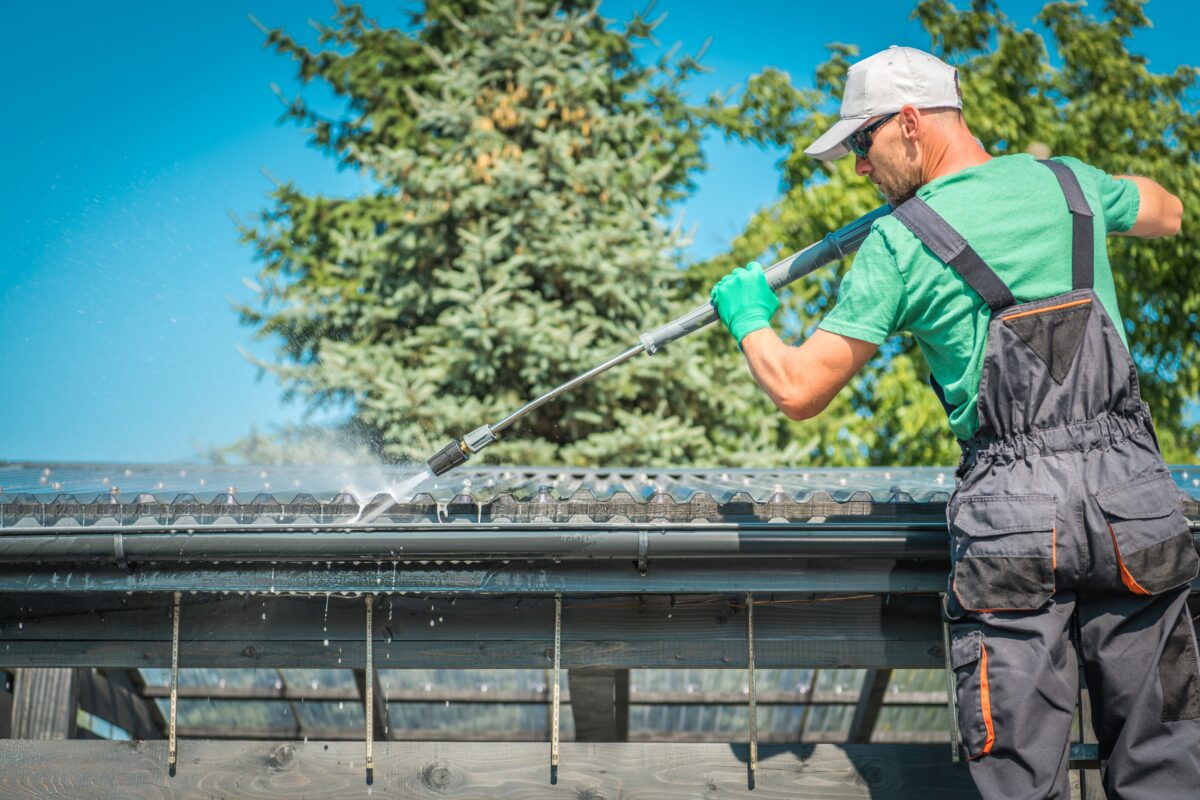
Roof Cleaning: Soft Wash vs. Pressure Wash

If you’re staring up at a roof covered in moss, grime, or streaky black stains, you’re probably asking the same thing many homeowners and business owners in Western Washington do: Should I soft wash or pressure wash my roof? The answer isn’t just about choosing a cleaning method; it’s about protecting one of the most important parts of your home or building.

Let’s take a close look at the difference between soft washing and pressure washing, and help you figure out what’s best for your roof.

What Is Soft Washing for Roofs?

Soft washing is a cleaning method that uses low pressure and a specialized solution to safely remove organic stains like moss, mildew, and algae. Unlike traditional power washing, soft washing doesn’t rely on force to clean surfaces. Instead, it gently applies a mix of cleaning agents designed to break down dirt and kill harmful growths at the root.

This technique uses water pressure far below 500 PSI, which makes it safe for delicate surfaces like asphalt shingles, slate, tile, and metal roofing. The solution typically includes a diluted bleach base to kill algae and mold, combined with surfactants that help the mixture stick to the roof surface for a deep clean. Soft washing systems are designed specifically for this job and are far more roof-friendly than standard pressure washers.

What Is Pressure Washing for Roofs?

Pressure washing, on the other hand, uses high-pressure water, often between 1,300 and 3,000 PSI, to blast away surface dirt. It’s effective on hard surfaces like sidewalks, driveways, and some vinyl siding. However, that same power can be dangerous when used on roofing materials.

In some commercial or flat roofing scenarios, pressure washing may be acceptable if the material can withstand the force. But for the majority of residential roofs in the Pacific Northwest, the high-pressure water can strip protective granules from shingles, dislodge tiles, or even drive water beneath the surface, causing leaks and long-term water damage.

Soft Wash vs. Pressure Wash: What’s the Real Difference?

At a glance, both soft washing and pressure washing aim to clean the surface of your roof. But their approach and impact are very different. Soft washing uses low pressure and cleaning solutions to remove organic buildup gently and thoroughly. Pressure washing uses force to remove surface dirt, but it can leave behind spores and growth that may come back quickly.

Soft washing is safer for most roof types and delivers longer-lasting results, especially in moss-heavy regions like Western Washington. It also avoids the risk of damage caused by high-pressure systems, which makes it the preferred method for extending the lifespan of your roof and preserving your home’s exterior.

Is Soft Washing Really the Better Option?

For most roofs, yes. Soft washing is usually the smarter, safer, and more effective choice. Your roofing material plays a big role in determining the best method. Asphalt shingles, clay tile, and metal roofs all benefit from a gentle touch, especially when moss and algae are present.

The damp, shaded environment of Western Washington encourages organic growth on rooftops. Soft washing targets and eliminates these organisms at the root, helping to prevent regrowth. It’s also ideal for older or weather-worn roofs that might not hold up well under the force of high-pressure washing.

Another consideration is your roof warranty. Many manufacturers clearly state that using high-pressure water can void the warranty. In contrast, soft washing aligns with warranty-safe practices and is often recommended by roofing professionals for routine maintenance.

Why Pressure Washing Can Be Risky

Pressure washing may seem like a quick fix, but it comes with risks that can cause serious damage over time. High-pressure water can rip granules from asphalt shingles, reduce UV protection, and shorten the overall lifespan of the roof. It can also force water into places it shouldn’t be, like under flashing or into attic spaces, which can lead to interior leaks and mold growth.

Many homeowners don’t realize that the aggressive nature of pressure washing may void their manufacturer’s warranty. That’s an expensive mistake to make, especially when softer, safer options are available.

How Often Should You Soft Wash Your Roof

In the Pacific Northwest, most roofs benefit from soft washing every two to three years, depending on exposure to trees, moisture, and sunlight. Homes in shaded areas or near dense vegetation often require more frequent cleaning due to higher moss and algae buildup.

If you notice dark streaks, green patches, or an overall dull look, those are signs your roof may be ready for a cleaning. Routine maintenance helps prevent moss from taking hold and reduces the risk of more costly repairs down the road.

What Happens During a Soft Wash Roof Cleaning?

A soft wash roof cleaning starts with an inspection to assess the condition of the roof and identify problem areas. Next, the technician takes steps to protect your landscaping and siding before applying the soft wash solution. The mixture is applied using a low-pressure sprayer that allows it to soak into moss, mold, and algae.

The cleaning solution is left to dwell for a period of time, which allows it to break down the buildup and kill the roots of the growth. In many cases, rain naturally rinses the roof clean over the next several days, though some jobs may involve a gentle rinse at the end of the process.

What About Cleaning Moss off a Roof with a Pressure Washer?

It’s possible to blast moss off a roof using high-pressure water, but it’s definitely not recommended. Moss isn’t just sitting on top of the roof. It roots into shingles and under edges, and if you remove it with force, you’re likely damaging the surface beneath.

Soft washing is a much better solution. It kills the moss at its source and prevents quick regrowth. For heavy infestations, manual removal might be necessary as part of the process, but even that should be done carefully to protect the integrity of the roof.

Can You Soft Wash a Roof Yourself?

While it’s technically possible to soft wash a roof on your own, it’s not always the safest or most effective route. Homeowners attempting a DIY cleaning will need a low-pressure sprayer, the right combination of cleaning agents, and proper safety equipment.

Climbing onto a roof comes with its own risks. And without the right gear and experience, it’s easy to use the wrong technique or leave behind stubborn growth. Hiring a professional ensures that the cleaning process is done correctly, safely, and in a way that protects your investment.

Is Soft Washing Worth the Cost?

Absolutely. Soft washing not only improves the appearance of your home or business but also helps preserve your roof. By eliminating mold, mildew, algae, and other organic stains, soft washing helps prevent premature aging and structural damage.

Over time, the investment pays off. Clean roofs last longer, need fewer repairs, and boost the curb appeal of your property. Compared to the risk of damage from high-pressure cleaning or the cost of early roof replacement, soft washing is a smart and cost-effective choice.

Choosing the Right Roof Cleaning Company

Not all roof cleaning services are created equal. Some companies rely on pressure washing alone, which can do more harm than good. Look for a professional who understands the difference between washing and soft washing, and who specializes in cleaning roofs specifically, not just driveways and siding.

Ask about their experience with local roofs, what kind of cleaning systems they use, and whether they’re licensed, bonded, and insured. A reputable company will walk you through the cleaning process, offer transparent pricing, and stand by their work.

Why Trust the Roof Doctor?

At The Roof Doctor, we’re here to help. Our family-owned team has spent over 60 years helping local property owners clean, repair, and extend the lifespan of their roofs. Our professional soft washing services are designed to clean your roof thoroughly without causing damage to your home’s exterior or the surrounding area.

If you’re ready for a cleaner, longer-lasting roof, give us a call or schedule a free roof inspection. We’re happy to answer your questions, and most jobs are done in just a day or two. Let us help you keep your roof strong, beautiful, and built to last.

The Complete Homeowner’s Guide to Gutter Cleaning and Maintenance

Gutters might not be the most glamorous part of your home, but they play a huge role in keeping everything safe and sound. When they’re working properly, they quietly direct water away from your roof, walls, and foundation, protecting your home from water damage. But when they get clogged or start to fail, problems arise. If you’ve noticed water spilling over the edges or dark, damp spots along your fascia boards, it’s time to talk gutter maintenance. This guide will walk you through everything you need to know, how often to clean your gutters, how to do it yourself, when to hire a professional, and why keeping your system in good shape matters, especially in the rainy climate of Western Washington.

Why Gutter Cleaning and Maintenance Matter

Your gutter system is your home’s first line of defense against water damage. In a place like Western Washington, where rain is plentiful and trees are everywhere, your gutters can quickly become overwhelmed with leaves, twigs, and other large debris. If left unattended, clogged gutters can lead to water spilling over the sides, damaging siding, eroding landscaping, or even flooding basements. Regular cleaning keeps water flowing smoothly and helps you avoid these costly headaches.

How Often Should Gutters Be Cleaned

As a rule of thumb, most homes should have their gutters cleaned twice a year, once in the spring and once in the fall. These are the seasons when debris is most likely to collect, either from spring blossoms and pollen or falling autumn leaves. However, if your home is surrounded by trees or if your area experiences frequent storms, you may need to clean them more often. Signs your gutters need immediate attention include water spilling over the edges, sagging sections, plants growing inside, or stains near the foundation.

Signs Your Gutters are Clogged or Failing

There are plenty of visual clues that your gutters need help. Overflowing water during rainstorms, visible debris buildup, and sagging or rusted sections all point to a problem. But some issues are less obvious. You might notice insects or rodents nesting near your roofline, water stains inside your attic, or peeling paint along your siding. Catching these early can help you prevent major water damage and extend the life of both your gutter system and your roof.

How Professional Gutter Cleaners Work

A professional gutter cleaner does more than just scoop out leaves. They’ll typically remove debris by hand or with specialized tools, flush the entire system using a hose or leaf blower, and check for issues like cracks, leaks, or misaligned sections. Hiring a professional can save you time, prevent injury from climbing ladders, and offer peace of mind knowing the system is working properly. Many pros also include minor repairs and a system inspection as part of the service.

How to Clean Gutters Like the Pros

If you’re up for the task, cleaning gutters yourself can be straightforward with the right tools. You’ll need a sturdy ladder, gloves, a scoop or garden trowel, a hose with a spray nozzle, and safety glasses. Start by scooping out the big stuff, leaves, twigs, and gunk. Place the debris in a bucket or on a tarp to make cleanup easier. Then, use your hose or a leaf blower with a gutter attachment to flush out any remaining dirt. While you’re up there, check for rust spots, leaks, or gutters pulling away from the fascia boards. A little attention now can save you from bigger issues later.

Maintaining Gutters Between Cleanings

You don’t have to wait for spring and fall to give your gutters some love. After heavy storms, do a quick walkaround to check for overflow or visible debris. Trim back overhanging tree limbs that drop leaves and needles into your gutters. Rinse out corners that tend to trap buildup, and if you have gutter guards installed, make sure they’re still secure and not blocked. These small steps go a long way in keeping your system running smoothly year-round.

Little-Known Tricks and Pro Tips

To keep your gutter system running smoothly between major cleanings, try these lesser-known but highly effective tips:

  • Test downspout flow using a rubber stopper or tennis ball to make sure water can move through freely.
  • Add splash blocks or downspout extenders to guide water farther away from your home’s foundation.
  • Check the slope of your gutters. If water is pooling instead of flowing, you may need to adjust the pitch.
  • Install or maintain gutter guards to reduce debris buildup and minimize how often you need to clean.

Can Gutter Cleaning Damage My Roof?

Yes, but only if it’s done the wrong way. Leaning a ladder against the roof’s edge can damage shingles, and walking on the roof without experience can crack or loosen them. Power washers used too close to shingles or fascia boards can also cause harm. To stay safe, use proper ladder techniques, avoid harsh tools or chemicals, and don’t hesitate to call a professional if you’re unsure about the job.

Seasonal Gutter Maintenance in Western WA

Spring is the time to clear out winter buildup and ensure your gutters are ready for heavy spring showers. Summer is great for checking for nests or insect activity and making sure everything is draining properly. Fall is the big clean-out season, clear away all those fallen leaves and give everything a thorough flush before winter hits. And in winter, keep an eye out for ice dams and blocked downspouts, especially in areas that see freezing temperatures.

When Is It Time to Replace vs Repair?

If your gutters are constantly overflowing, sagging, or showing signs of rust and corrosion, it may be time for more than just cleaning. Gutters that have pulled away from the roofline or are causing rotted fascia boards should be inspected by a pro. Ignoring these signs can lead to water backing up into your roof or seeping down into your foundation. Replacing your gutter system might be the smarter, safer investment in the long run.

Finishing Up

Gutters are easy to overlook until they stop working. In Western Washington’s rainy, tree-filled environment, regular gutter maintenance is a must. Whether you’re a weekend DIYer or you’d rather leave it to the experts, staying on top of your gutter cleaning will help protect your home from costly water damage, foundation issues, and roofing problems.

Why Western Washington Chooses The Roof Doctor

At The Roof Doctor, we’re always ready to help. We’ve been serving Western Washington for over 60 years with licensed, bonded, and insured crews who know how to keep your roof and gutter system in top shape. Whether it’s a seasonal cleaning or a full inspection, we’re here when you need us.

Call today to schedule service and keep your gutters flowing the way they should.

How Tacoma’s Climate Shortens Roof Lifespans and What You Can Do About It

Manufacturers’ estimated roof lifespans are just that: a rough estimate. They are accurate to an extent; the entire purpose of your roof is to stand up to the elements, after all. However, these lifespans are meant to be an example of how long your roof will last in the right conditions. When a roof is not well-maintained or consistently subjected to bad weather, that life expectancy will change. 

Roof maintenance is one thing, as the steps you take to keep it in tip-top shape are something fully in your control, but what about the weather’s toll on your roof? It may seem out of your hands, but fear not. There are ways to circumvent even Tacoma’s intense weather. Let’s talk about the Tacoma weather’s toll on roofs and what you can do about it. 

Tacoma’s Climate at a Glance

Tacoma is beautiful, but it’s no friend to your roof. With around 40 inches of rain per year, your roof faces near-constant moisture. This wears away at the materials and encourages algae and moss to grow. Coupled with temperature swings (known as freeze-thaw cycles) that can crack shingles and split flashing, your roof can quickly become leak-central. Plus, storms and high winds like to lift shingles, and though Tacoma’s not known for sun, we still get enough UV exposure to worry about. To be frank, your roof deals with a lot. 

Typical Roof Lifespans in Washington

So what’s the real lifespan of a roof in Tacoma? Your roofing material matters, but so does your zip code. Without regular maintenance, even the best materials can wear out early. If you’ve ever heard that a roof lasts 30 years, that’s true…in theory. But climate plays a huge role in actual lifespan. In Tacoma, asphalt shingle roofs often need attention after just 15 to 20 years. Metal roofs tend to hold up better, often lasting between 30 and 50 years in our area. Cedar shake roofs, while beautiful, can fall short of their potential lifespan here because they’re vulnerable to moss and rot, often needing replacement in 15 to 25 years. Composite or architectural shingles offer a nice balance and may give you two to three decades of protection with proper upkeep. 

The Most Common Roofing Problems We See

At The Roof Doctor, we’ve seen just about everything Tacoma weather can throw at a roof. Some of the most common issues include shingles that curl or crack, leaks near chimneys or skylights, and dark streaks caused by algae. We also see many homes with poor attic ventilation, which traps moisture and leads to mold growth on the underside of the roof. Over time, moisture that isn’t taken care of right away can cause decking to soften and sag. If your roof feels spongy or if you spot discoloration on your ceiling, it’s probably time to take action.

So, How Can You Keep Your Roof Healthy in Tacoma’s Climate?

Small, Regular Maintenance Tasks

While we can’t change the weather, you can still keep your roof in shape. For one thing, scheduling regular inspections once or twice a year helps catch small problems before they grow. For another, keeping your gutters clear and trimming back overhanging branches helps prevent excess moisture and debris buildup. Try using roof-safe treatments to manage moss and algae to slow decay. 

Keeping an Eye on Ventilation in Your Attic

It may sound strange, but attic ventilation is actually very important to the health of your roof. When your attic traps moisture, it deteriorates insulation and structural materials, as well as welcoming mold into your home. Making sure your attic breathes properly can add years to your roof’s life.

Addressing the Problem as Soon as It Occurs

Aside from all that, the most effective thing you can do to keep your roof working as it should is simply not letting issues fester. Fix that loose shingle as soon as you find it, so you don’t wake up to half your roof torn off after the next big storm. If you know that your roof is getting on in years, add a protective coating before it gets so damaged that you have to replace it altogether. Procrastination is tempting, especially when the issue doesn’t seem like a big problem, but choosing to fix the small things now often means the difference between being forced to fix the big, expensive things in the future. 

When Repairs Aren’t Enough

Eventually, every roof reaches a point where repairs aren’t worth it anymore. If your roof is more than 20 years old and showing widespread damage, like leaks in multiple areas, missing shingles after every storm, or signs of mold in the decking, it’s likely time for a replacement. 

Choosing the Right Roofing Material for Western Washington

When it does come time to replace your roof, choosing a material that works in your climate makes all the difference. In a wet climate like Tacoma’s, your choice of material matters. Asphalt shingles are affordable and widely used, but need more frequent care here. Metal roofs perform exceptionally well in rainy environments and shed snow with ease, making them a good longer-term investment. However, they tend to be more expensive than some other options. Cedar shake roofs are visually striking but demand more upkeep to fight off moisture and moss. Composite shingles strike a nice balance between durability and appearance and tend to do well in our region. 

Local Homeowners’ Common Questions

How long should a roof last in Washington state? The answer depends on the material, but for asphalt shingles, 15 to 25 years is typical in Tacoma. 

What’s the best time to replace a roof? We usually recommend late spring through early fall, but our team is equipped to handle projects year-round.

Can I stretch my roof’s life? As we’ve talked about, the answer is yes as long as you’re proactive about it. If you’re not sure whether it’s time to replace or repair, getting a professional inspection is the best place to start.

Why Trust the Roof Doctor?

When it comes to protecting your roof, experience matters. Here at the Roof Doctor, we’ve been family-owned and operated for over 60 years, delivering honest advice, expert craftsmanship, and fast, friendly service. Whether you’re dealing with moss buildup, storm damage, or just want peace of mind before the next rainy season, our licensed, bonded, and insured team is ready to help. From quick repairs to full replacements, we’re the roofing company locals trust to keep their homes covered, rain or shine.